
Rosa laxa
Rosa laxa Retz.
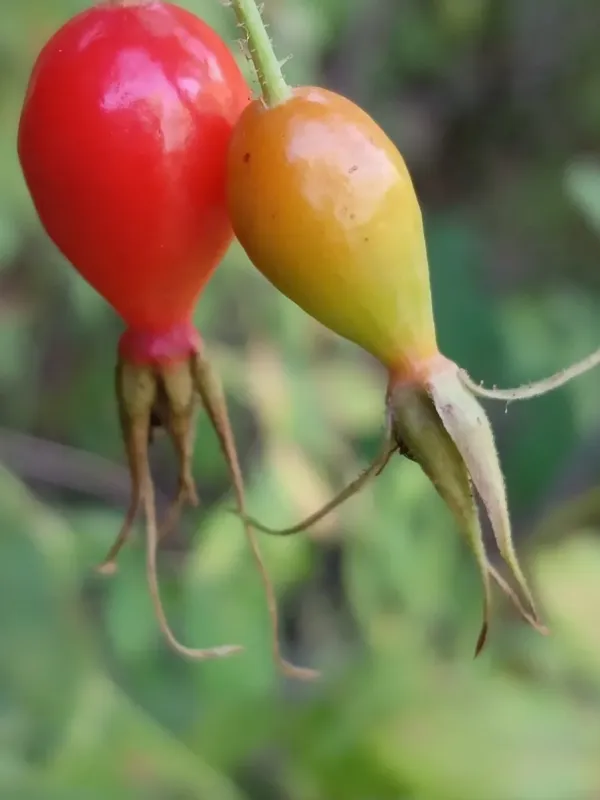
Description
Sowing dates
The cultivation of Rosa laxa Retz. usually begins with seed propagation in late autumn, ensuring the seeds undergo natural stratification over the winter. This process is essential for overcoming seed dormancy and achieving uniform germination rates in the spring.
For spring sowing, cold stratification is required for a period of 90 to 120 days at temperatures between 1 and 5 degrees Celsius. Pre-treatment of seeds with scarification can further enhance the success rate of germination by increasing moisture uptake.
Seeds should be sown in prepared soil at a depth of 1.5 to 3 centimeters, depending on the soil texture. Proper spacing between rows is critical to allow for weeding and mechanical maintenance during the early stages of plant development.
Once seedlings emerge, thinning is necessary to ensure each plant has enough space and nutrients to establish a strong root system. Irrigation during the seedling stage should be consistent to prevent the soil from drying out excessively.
Alternatively, vegetative propagation through cuttings is a common practice to maintain consistent quality in nurseries. This method is preferred when uniform plant performance is required for agricultural or ornamental applications.
Growing requirements
Rosa laxa, belonging to the Rosaceae family, is a deciduous shrub native to Central Asia. It is highly valued for its extreme hardiness and ability to thrive in harsh, continental climate zones where other species might fail.
This shrub prefers well-drained, fertile soils with a neutral or slightly alkaline pH. It is particularly known for its tolerance of sandy and rocky substrates, which is a major advantage in areas with challenging soil conditions.
Full sun exposure is a requirement for optimal growth and fruit production. The plant's architecture, characterized by loose, arching branches, requires adequate spacing to prevent self-shading and to facilitate airflow, which is crucial for disease prevention.
Its deep-reaching root system makes Rosa laxa highly drought-tolerant once established. While it appreciates moderate moisture during the active growing season, it can endure significant periods of dry weather.
Due to its vigorous growth and compatibility, Rosa laxa is internationally recognized as a superior rootstock for various rose cultivars. It provides the necessary vitality to support long-lived, productive garden roses in colder climates.
Main diseases and pests
The plant can be susceptible to powdery mildew, particularly in environments with high humidity and poor ventilation. Cultural controls, such as thinning the canopy and removing debris, are the first line of defense against fungal outbreaks.
Rust infections can manifest as orange pustules on the undersides of leaves, potentially causing premature defoliation. Fungicide applications during the early spring and autumn can mitigate the impact of this disease.
Common insect pests include aphids and rose leafhoppers, which target new growth and sap. Integrated Pest Management (IPM) strategies, including the use of beneficial insects and targeted biological agents, are recommended.
Effective management also involves regular pruning to remove dead or diseased wood. This practice not only improves the overall vigor of the shrub but also removes potential overwintering sites for various pathogens.
- Sanitation and removal of fallen leaves
- Balanced fertilization program
- Regular monitoring for pest signs
- Strategic pruning for airflow