
Helena rose
Rosa helenae Rehder & E. H. Wilson
Description
Sowing dates
Planting of the Helena rose is best performed in early spring once the soil has warmed up or in the early autumn to allow root establishment before winter.
For propagation from seeds, stratification is required for several months under controlled cool temperatures to ensure successful germination in spring.
The chosen site should receive full sun to partial shade, providing the plant with enough energy to support its vigorous and rapid growth habit.
Spacing is critical for this species, as it can expand significantly, requiring at least 3 to 4 meters between individual plants to avoid overcrowding.
Preparing the soil with organic matter such as well-rotted compost will provide the necessary nutrients for the rose to establish a strong root system.
Growing requirements
This rose species prefers fertile, well-draining loam soils with a slightly acidic to neutral pH balance for optimal nutrient uptake.
Rosa helenae is known for its hardiness and ability to withstand cold temperatures, making it a reliable choice for various temperate climate zones.
Consistent watering is required during the first growing season, though the plant becomes quite drought-tolerant once it is fully established.
Seasonal fertilization should focus on balanced NPK blends in spring and low-nitrogen, potassium-rich fertilizers in late summer to prepare for dormancy.
Sturdy, tall support structures are essential to accommodate the long, flexible canes that characterize the natural growth of this climbing rose.
Yield
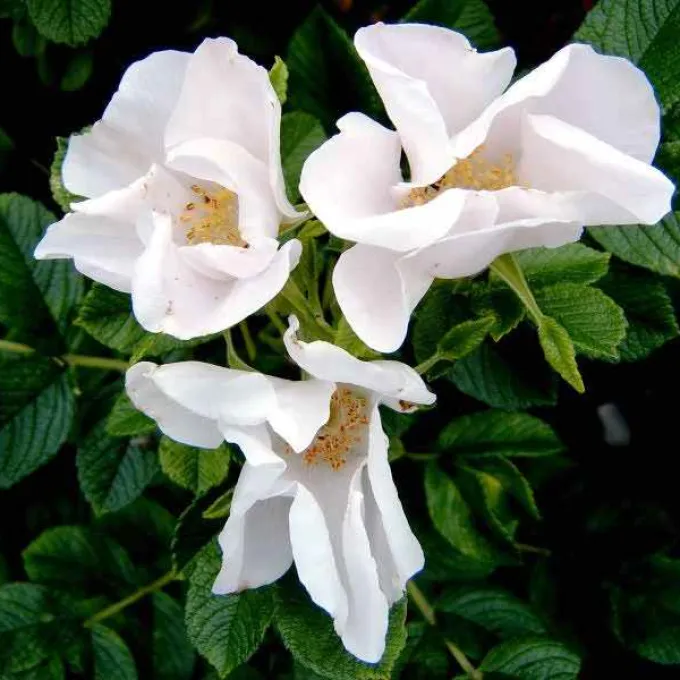
The yield of this ornamental species is defined by its spectacular floral display, characterized by clusters of numerous small, highly fragrant white flowers.
The blooming period is singular and mid-summer focused, during which the entire shrub is transformed into a massive, impressive canopy of flowers.
The production of small, bright red hips after flowering adds significant ornamental value, extending the visual interest of the plant into autumn.
It is widely utilized in landscape architecture for covering large trellises, fences, walls, and creating naturalistic, cottage-style garden displays.
The plant has a high aesthetic longevity, often thriving for many years with minimal maintenance beyond basic annual pruning and shaping.
Main diseases and pests
Powdery mildew is the most common fungal issue, particularly in humid climates, often managed by improving air circulation around the foliage.
Black spot can occur during extended periods of rainfall; maintaining a clean garden bed and avoiding overhead watering helps minimize the risk.
Aphids are typical pests that target young, succulent growth, which can be managed with insecticidal soaps or natural predators like ladybugs.
Spider mites may occasionally emerge during hot, dry summer spells, requiring close monitoring and appropriate horticultural oil applications.
Regular sanitation, such as the removal of deadwood and diseased foliage, is the most effective cultural practice to ensure long-term plant health.