
Grandiflora rose
Rosa grandiflora
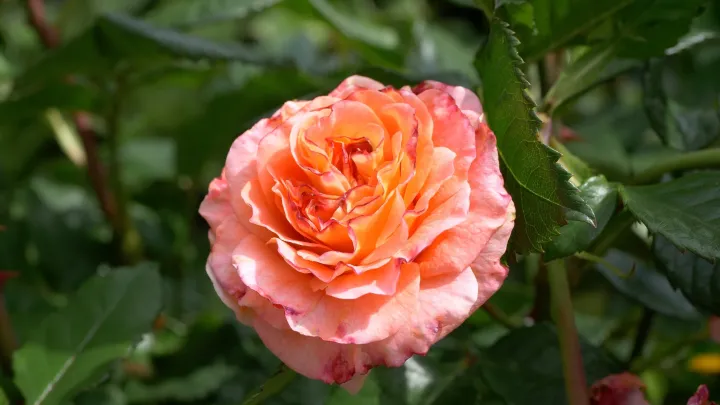
Description
Growing requirements
The Grandiflora rose belongs to the Rosaceae family. This class of roses was developed by crossing hybrid teas with floribunda roses, resulting in large, exhibition-quality blooms on vigorous, tall plants.
The crop requires full sun exposure and well-drained, fertile soil rich in organic matter. An ideal pH range for cultivation is slightly acidic, between 6.0 and 6.5, which maximizes nutrient uptake.
Grandiflora roses thrive in moderate climates with consistent moisture. Irrigation should be focused on the base of the plant to keep foliage dry and reduce the incidence of fungal diseases.
Maintenance involves regular fertilization using balanced NPK formulas to support both vegetative growth and abundant flowering throughout the summer season.
Pruning is a critical agricultural practice for this class, typically performed in late winter or early spring to remove dead wood and encourage strong, vertical growth of new flower stems.
Main diseases and pests
The primary diseases affecting Grandiflora roses are black spot and powdery mildew, both of which are exacerbated by poor air circulation and excessive humidity levels.
Rust, characterized by pustules on the undersides of leaves, can also become a significant issue during periods of high rainfall and warm temperatures.
Common pests include aphids, which cluster on flower buds, and spider mites, which thrive in hot, dry weather and can cause severe leaf chlorosis.
Integrated Pest Management (IPM) strategies, including the use of beneficial insects and selective application of fungicides, are recommended to maintain plant health.
Sanitation is key to disease prevention; always remove and destroy infected plant debris at the end of the season to prevent the overwintering of pathogens.
Harvesting
The primary economic use of the Grandiflora rose is in the cut flower industry and professional landscaping due to its superior bloom form and strong stems.
For optimal post-harvest life, flowers are cut during the early morning hours when the plant's vascular system is fully hydrated and the buds are just beginning to open.
Proper harvesting tools must be sterilized to prevent the transmission of viruses and bacteria between plants during the cutting process.
Post-harvest handling requires placing stems in clean water immediately after cutting and keeping them in a cool environment to maintain turgor pressure.
Consistent deadheading of spent blooms redirects the plant's energy toward root development and the production of subsequent flower flushes throughout the year.