
Miniature China rose
Rosa chinensis minima
Description
Growing requirements
The Miniature China rose (Rosa chinensis minima) is a small, compact cultivar belonging to the Rosaceae family. It is highly valued for its ability to produce a continuous display of flowers, making it a popular choice for indoor gardening and landscaping.
Originating from East Asia, this botanical variety has been selectively bred over centuries to maintain its dwarf stature. It is now widely cultivated globally in diverse environments, provided the specific thermal and light requirements are met.
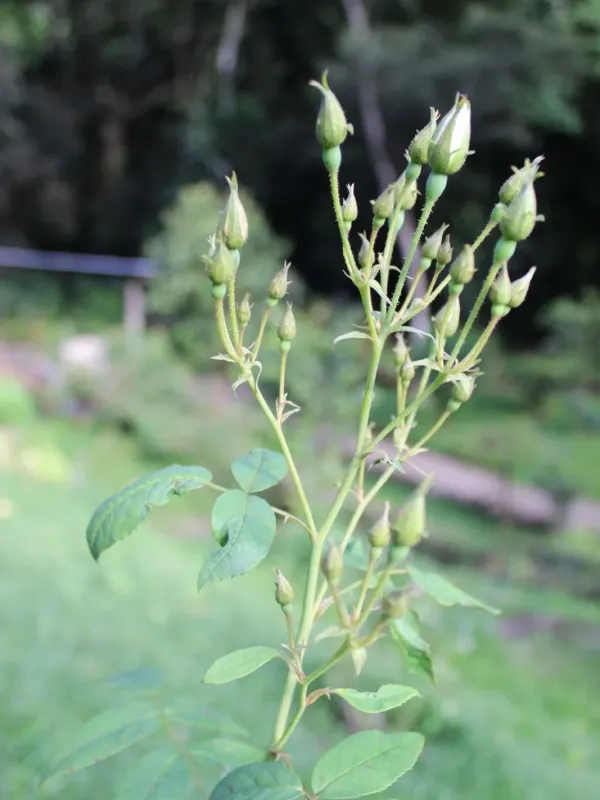
The plant features small, delicate, pinnate leaves and miniature blooms that mimic the appearance of standard rose varieties. Its architectural form is naturally bushy, rarely exceeding a height of 40 centimeters, which contributes to its aesthetic appeal.
Cultivation requirements necessitate high light levels to sustain growth and blooming. While they can tolerate partial shade, they thrive best in locations receiving direct sunlight during the morning hours, ensuring optimal photosynthesis.
Soil quality is paramount; the ideal medium should be a well-draining, nutrient-rich potting mix with a pH ranging from 6.0 to 6.5. Consistent watering is essential, but it must be balanced to prevent root rot caused by stagnant water.
Main diseases and pests
Miniature roses are prone to several pests, most notably spider mites, which flourish in warm, dry environments. Regular inspection of the underside of leaves is recommended, followed by the use of appropriate acaricides if an infestation occurs.
Powdery mildew is a prevalent fungal disease that typically manifests under conditions of poor air circulation and high humidity. It creates a dusty white film on foliage, which hinders the plant's ability to produce flowers effectively.
Black spot is another significant threat, often induced by water sitting on the leaves for prolonged periods. Effective management includes bottom-watering techniques and the use of preventative copper-based fungicide treatments.
Pruning is not only a horticultural practice for shape but also a vital health measure to remove dead or diseased wood where pests and spores might overwinter. Sterilizing tools between cuts is necessary to avoid cross-contamination.
Overall plant health can be fortified by maintaining a stable environment and providing balanced liquid fertilizers during the active growing season. Strong, vigorous plants are inherently more resistant to the mentioned threats and diseases.