
Iberis amara
Iberis amara L.
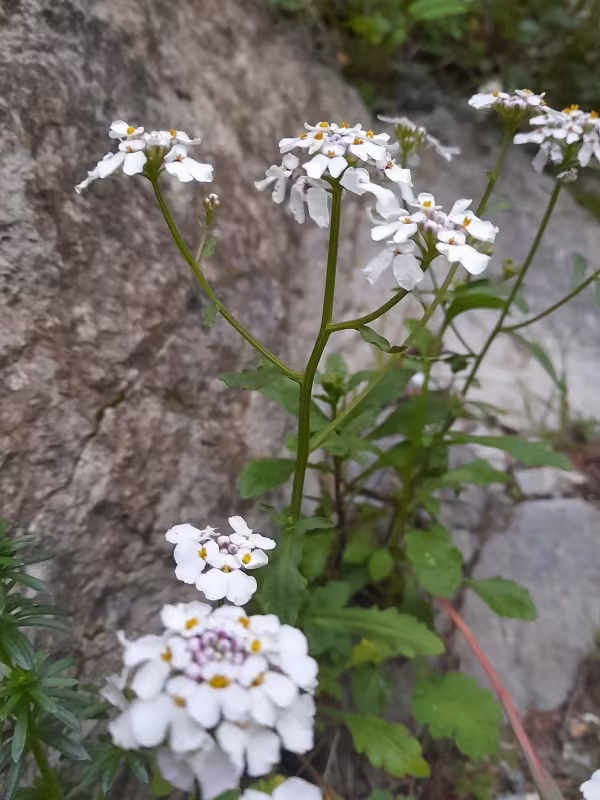
Description
Sowing dates
Iberis amara L., commonly known as bitter candytuft, is an annual herb belonging to the Brassicaceae family. In agricultural and horticultural practices, seeds are typically sown in early spring as soon as the soil becomes workable and warms up.
The seeds require light for germination; therefore, they should be covered with only a very thin layer of soil or pressed firmly into the surface. Planting depth should not exceed 1 centimeter to ensure optimal emergence rates.
Rows are spaced approximately 20 to 25 centimeters apart to allow for proper airflow and cultural maintenance. Once seedlings reach the two-leaf stage, thinning is essential to maintain a distance of 15–20 centimeters between plants.
Iberis amara exhibits rapid initial growth, making it a reliable crop for quick coverage. Sowing in successive intervals allows for an extended harvest period of floral biomass throughout the summer season.
In regions with mild winters, autumn sowing is feasible, allowing the plants to establish strong root systems. This leads to early spring flowering, providing a significant advantage in temperate climate zones.
Growing requirements
This crop thrives in full sun, which is necessary for vigorous growth and abundant flowering. Partial shade is generally unfavorable, as it causes stem elongation and reduces the plant's overall vitality and floral density.
Iberis amara prefers well-drained, fertile, sandy, or loamy soils. Neutral to slightly alkaline pH levels are ideal for nutrient uptake, whereas highly acidic or compacted clay soils should be avoided or amended.
Effective drainage is critical for this species. Waterlogging frequently leads to root suffocation and crown rot, necessitating well-draining garden beds or raised planting rows for best agricultural results.
Watering requirements are moderate. While the plant can tolerate short intervals of drought, consistent moisture during the bud formation phase is vital to ensure high-quality output and extended plant longevity.
Nutrient management involves light applications of balanced fertilizers during the early vegetative phase. Avoid excessive nitrogen, which promotes excessive foliage at the expense of flower production, the primary commodity.
Main diseases and pests
Crucifer flea beetles are the most significant pest threat, particularly targeting emerging seedlings. Integrated pest management, including floating row covers or targeted insecticide application, is often necessary.
Powdery mildew is a common fungal disease, especially in conditions of high humidity and poor ventilation. Proper spacing and site selection significantly reduce the incidence of this pathogen.
Root rot occurs if the soil remains excessively moist for extended periods. Improving soil aeration and strictly controlling irrigation cycles are the primary methods for preventing such losses in the field.
Aphids can occasionally infest the flower heads, causing distortion and reduction in market quality. Regular monitoring allows for early detection and intervention using organic or systemic insecticides.
- Crucifer flea beetle
- Powdery mildew
- Root rot
- Aphids