
Candytuft
Iberis sempervirens x Iberis umbellata
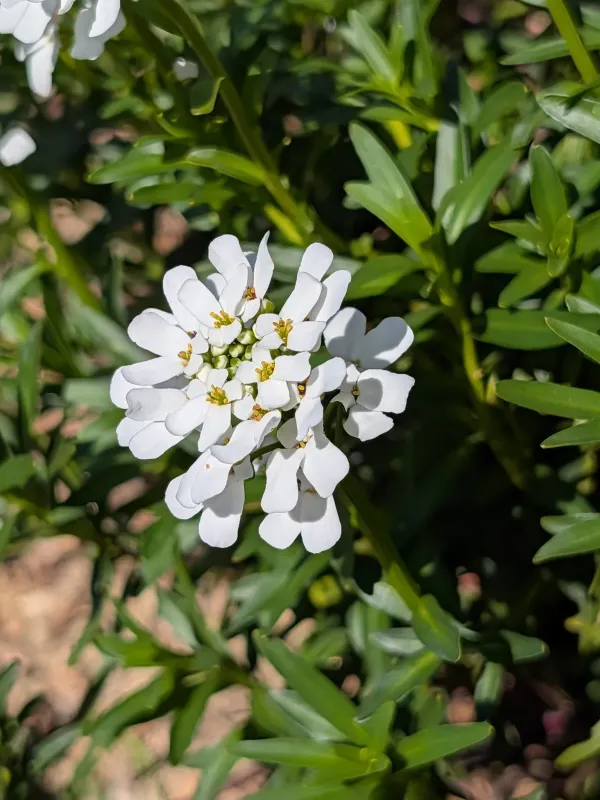
Description
Sowing dates
Sowing Candytuft in open ground is typically done in early spring, once the soil has warmed sufficiently. For an earlier bloom, seeds can be started indoors in trays during late winter, provided there is enough natural light or supplementary illumination.
Seeds require light for germination and should be sown on the surface of the growing medium, covered only by a very thin layer of fine soil or vermiculite. Maintaining consistent surface moisture is vital during the initial two-week germination period.
Seedlings should be thinned or transplanted once they develop the first true leaves. Because the species belongs to the Brassicaceae family, root systems are sensitive to disturbance; thus, any transplantation should be handled carefully to minimize shock.
Final outdoor spacing should be approximately 20 to 30 centimeters apart to ensure optimal airflow. Proper spacing is essential to minimize the humidity levels around the foliage, which is a major factor in preventing fungal disease outbreaks.
In optimal conditions, the plant may self-seed, creating dense colonies over time. If self-seeding is undesirable, gardeners should trim back the spent flower heads immediately after the primary blooming period concludes.
Growing requirements
Candytuft thrives in full sun, which is necessary to maintain a compact, bushy habit and to produce the characteristic dense clusters of flowers. While it can tolerate partial shade, insufficient light often results in elongated, leggy stems.
The most critical soil requirement for this crop is excellent drainage. As a member of the Brassicaceae family, it is highly susceptible to root rot if water remains stagnant in the root zone; sandy or rocky soils are ideal for cultivation.
Neutral to slightly alkaline soils are preferred for the healthiest development. While the plant is generally undemanding, adding compost to very poor soils can provide a slight boost, though over-fertilization should be avoided to prevent excessive green growth.
The plant is noted for its high drought tolerance once established. It is an excellent choice for rock gardens and slopes where moisture management is difficult, requiring supplemental irrigation only during prolonged, extreme heat waves.
Winter hardiness varies by species, but most varieties are capable of surviving cold climates. In areas prone to harsh, snowless winters, providing a light layer of mulch or evergreen boughs can help protect the crown and root structure from deep frost.
Main diseases and pests
Fungal pathogens are the primary threat to Candytuft, particularly in regions with high rainfall or poor drainage. Root rot and damp-off are common issues that typically manifest when the plant's basal foliage remains in contact with wet soil.
Powdery mildew may occur during periods of high humidity or poor air circulation. To manage this, ensure plants are spaced correctly and avoid overhead irrigation during the evening, which keeps foliage wet for too long throughout the night.
Crucifer flea beetles are the most frequent insect pests, often leaving small, shot-like holes in the leaves. Keeping the plants healthy and vigorous through consistent care usually helps them withstand moderate levels of pest activity.
Aphids can occasionally cluster on tender new shoots, sucking nutrients and potentially transmitting viral diseases. If populations become significant, the application of horticultural soaps or neem oil is usually effective without harming beneficial garden insects.
- Ensure perfect drainage by adding gravel or sand.
- Avoid overcrowding in planting beds.
- Monitor for early signs of mildew on leaves.
- Remove infected debris immediately to prevent spore dispersal.