
Gibraltar candytuft
Iberis gibraltarica L.
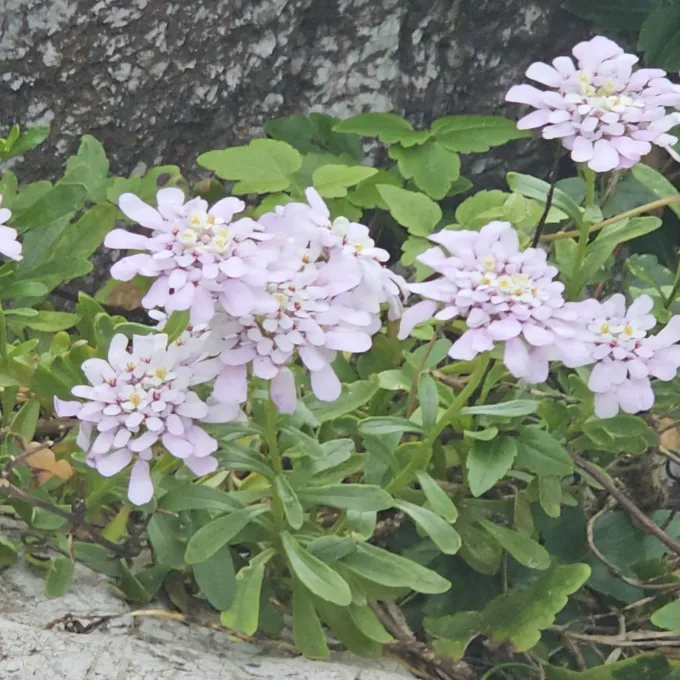
Description
Sowing dates
Gibraltar candytuft (Iberis gibraltarica) is typically sown in early spring when the soil temperature consistently reaches 10–12°C. Seeds should be planted in open ground at a depth of approximately 0.5 to 1 cm to ensure proper germination.
For earlier flowering, seeds can be started indoors in seed trays during late winter. Maintaining a consistent temperature of about 18–20°C is crucial for healthy seedling development before transplanting into the garden.
Proper plant spacing of 20–25 cm is essential for air circulation and growth. Overcrowded conditions increase the risk of disease and lead to elongated stems, which reduces the plant's natural, compact aesthetic.
Being a member of the Brassicaceae family, it is vital to practice crop rotation. Avoid planting this species in areas previously occupied by other cruciferous vegetables to prevent common soil-borne pathogens from building up.
The plant exhibits self-seeding tendencies in ideal conditions, which can be useful for naturalized landscaping. However, growers should deadhead the flowers regularly to maintain control over plant distribution and prolong the flowering season.
Growing requirements
This species thrives in sunny locations where it receives full exposure to sunlight. While partial shade is tolerated, it typically results in weaker growth and significantly reduced floral displays throughout the season.
Well-drained, loose soil is the primary requirement for successful cultivation. Heavy clay soils that retain moisture must be amended with grit or sand to provide the necessary drainage required by the species to prevent rot.
The plant prefers neutral to slightly alkaline soil conditions. If the site is acidic, amending the soil with lime prior to planting can greatly improve the plant’s health and nutrient uptake efficiency.
Watering should be managed carefully, ensuring that the soil is not kept permanently wet. Iberis gibraltarica is drought-tolerant once established and prefers a dry-down period between irrigations to maintain healthy roots.
Fertilization should be handled with caution, as high-nitrogen applications will favor foliage growth over flower production. A balanced, low-concentration fertilizer applied sparingly during the early growth stage is sufficient.
Main diseases and pests
Cruciferous flea beetles are the most common pests during the seedling stage, causing characteristic small holes in the foliage. Regular monitoring and the application of appropriate insecticides can help mitigate damage.
Root rot and fungal infections are frequent in sites with poor drainage or excessive humidity. Ensuring soil porosity and avoiding overhead irrigation during damp periods are essential preventative measures against these threats.
Powdery mildew can occur if there is poor air circulation combined with high humidity. Using preventive fungicidal treatments and thinning out dense foliage patches can help maintain plant health and vitality.
Aphids occasionally target the flower clusters, leading to stunted growth and reduced attractiveness. Integrated pest management, including the use of bio-rational sprays, is recommended to keep infestations under control.
Clubroot is a serious disease that can affect Brassicaceae species. Once established in the soil, it persists for many years, necessitating strict hygiene and the selection of alternative planting sites to avoid total crop loss.