
Iberis umbellata
Iberis umbellata L.
Description
Sowing dates
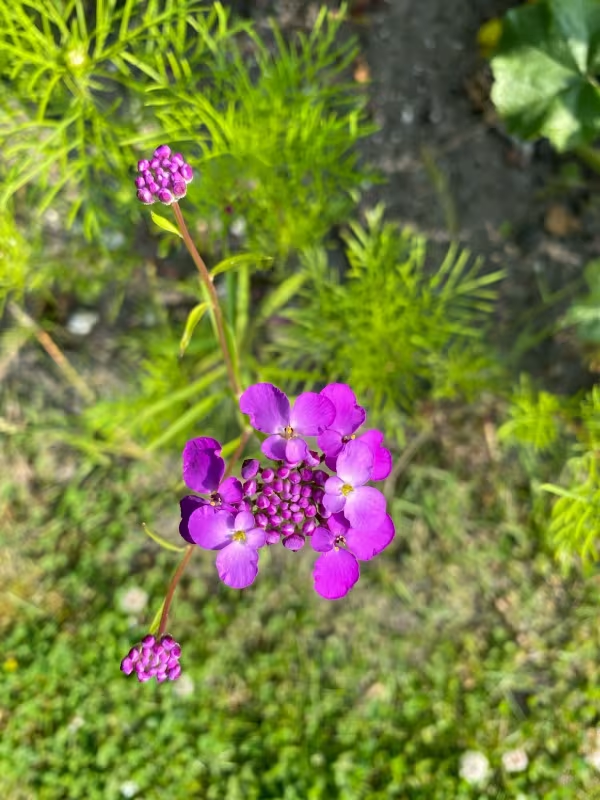
Iberis umbellata, commonly known as globe candytuft, is an annual herbaceous plant belonging to the Brassicaceae family. It is widely cultivated for its ornamental umbel-shaped flowers and versatility in garden design.
Sowing is typically performed in early spring, as soon as the soil can be worked. Seeds are sown directly into the prepared garden beds, ensuring they are placed at a shallow depth of approximately 0.5 to 1 centimeter.
To maintain a continuous blooming cycle throughout the growing season, gardeners often employ successional sowing, planting new batches of seeds every two to three weeks until late spring.
Adequate spacing is crucial for the development of healthy plants. After germination, seedlings should be thinned to an interval of 15–20 centimeters, which provides sufficient space for the plants to bush out and produce abundant blooms.
For colder regions, indoor sowing in trays during late winter is possible. Plants raised indoors should be gradually hardened off before being transplanted outside once the risk of severe frost has completely passed.
Growing requirements
This species thrives in full sun, which is essential for stimulating the development of its signature flower clusters. Insufficient light results in leggy stems and significantly reduced blooming density.
The ideal soil for Iberis umbellata is well-drained, fertile, and moderately moist. Sandy or loamy soil textures are preferred, as they prevent the waterlogging that often causes root system decay.
It is moderately drought-tolerant once established, making it a robust choice for rock gardens and borders. However, consistent moisture during the early growth stages is necessary to ensure vigorous plant development.
The plant prefers neutral to slightly alkaline pH levels. If the local soil is highly acidic, incorporating crushed lime or wood ash can help balance the conditions for optimal growth.
Fertilizing should be managed carefully. While a balanced slow-release fertilizer can support the initial growth phase, excessive nitrogen intake should be avoided to prevent prioritized vegetative growth over floral production.
Main diseases and pests
The most significant pathological threats include various root rots and clubroot, which are often consequences of waterlogged soil or poor drainage systems. Maintaining dry soil surfaces is vital for prevention.
Powdery mildew is a common foliage issue, particularly in humid climates with poor air circulation. Improving plant spacing and avoiding overhead watering helps minimize the occurrence of this fungal pathogen.
Crucifer flea beetles are the primary insect pests, specifically targeting young leaves in the spring. Protective covers or targeted insecticide applications are often required to prevent early-stage plant damage.
Aphids can cause damage by colonizing the tender floral stems. Early detection and the application of mild soap solutions or systemic insecticides are effective measures to preserve the aesthetic quality of the blooms.
Good cultural practices, such as removing debris and practicing crop rotation, are the best defense against long-term disease pressure. Ensuring that the site has ample exposure to sun and wind drastically reduces the impact of biological threats.