
Iberis hybrid
hybrids between Iberis gibraltarica L. and Iberis sempervirens L.
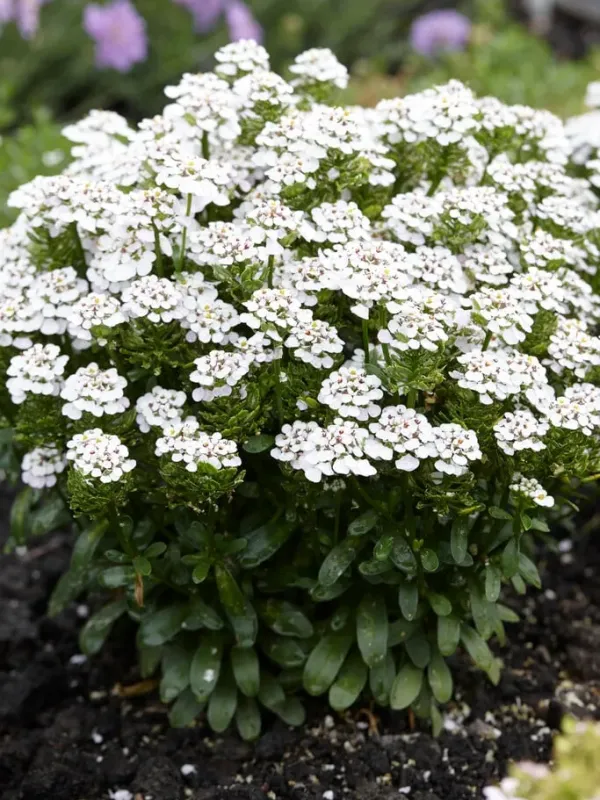
Description
Sowing dates
The sowing of Iberis hybrid is typically performed in early spring once the soil has warmed up. In regions with milder climates, late autumn sowing is also a viable option to ensure early germination when the first spring temperatures arrive.
Seeds should be sown at a shallow depth of approximately 0.5 to 1 centimeter. Because the seeds require light to germinate effectively, they should be lightly pressed into the soil rather than buried deeply.
When starting indoors, seeds are planted in trays in late winter to ensure a head start. Providing sufficient light and maintaining a moderate room temperature is essential for healthy, non-leggy seedlings.
Once the seedlings develop two or three true leaves, they can be pricked out. Since the root system of this species is delicate, it is highly recommended to transplant them carefully with a root ball intact.
Spacing should be maintained at 20–30 centimeters between individual plants. Proper spacing allows for adequate air circulation, which is critical for preventing common fungal issues in the dense foliage of the plant.
Growing requirements
The Iberis hybrid belongs to the Brassicaceae family and is a crossbreed derived from Iberis gibraltarica and Iberis sempervirens. It is a popular ornamental species known for its resilience and abundant flowering.
The plant thrives in sunny, open locations with well-drained soil. It is highly intolerant of waterlogged conditions, so choosing a site with a sandy or light loamy composition is the best agricultural practice.
While the hybrid is moderately drought-tolerant once established, regular irrigation during the flowering period is necessary to maintain high quality. Avoid overhead watering to reduce the risk of damp foliage.
Maintenance includes periodic pruning of spent flowers, which encourages a second flush of bloom and keeps the plant tidy. Fertilizing is only needed occasionally with a balanced fertilizer to avoid excessive vegetative growth.
Winter hardiness is generally good in temperate climates, though some protection in harsh, snowless winters is beneficial to prevent frost damage to the base and the dormant flower buds.
Main diseases and pests
The primary threats to Iberis hybrid are fungal pathogens such as clubroot and various forms of root rot. These are almost always caused by improper drainage or excessive humidity in the soil profile.
Effective prevention involves site selection that ensures good drainage and avoiding high-density planting. If signs of rot appear, it is recommended to improve the drainage system and apply appropriate fungicides.
Insect pests include the crucifer flea beetle, which can create small holes in the foliage, and aphids that feed on the sap of young shoots. Regular monitoring of the foliage is essential for early detection.
Integrated pest management, including the use of neem oil or soft soaps, is often sufficient to control minor infestations without harming the beneficial pollinators attracted to the flowers.
Crop rotation is an essential agronomic strategy to prevent the buildup of soil-borne pathogens. Avoiding areas where other Brassicaceae species have recently grown significantly reduces the risk of pest pressure.