
Rhynchospora trispicata
Rhynchospora trispicata
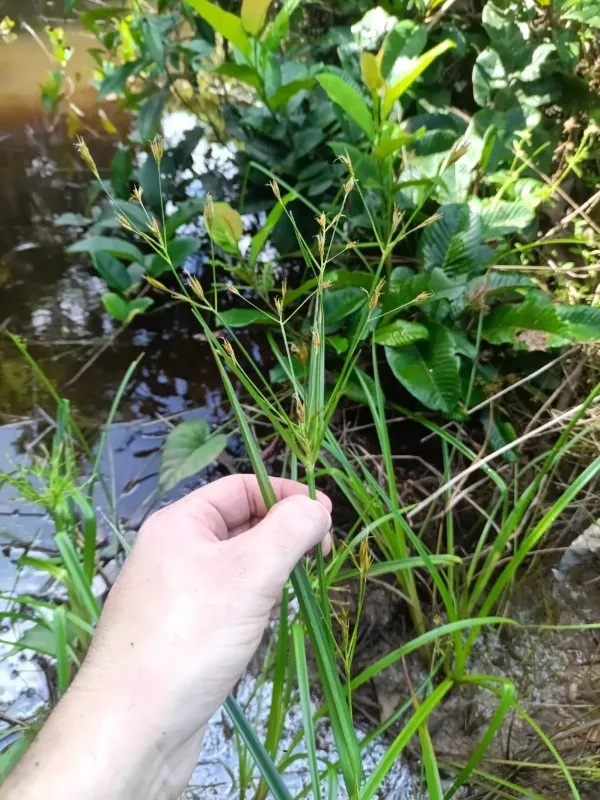
Description
Growing requirements
Rhynchospora trispicata is a notable member of the Cyperaceae family, commonly referred to as the sedge family. This perennial herbaceous plant is structurally adapted to thrive in specific wetland environments.
The native range of this species is primarily concentrated in tropical and subtropical regions of the Americas. It is typically found in habitats characterized by seasonally wet soils, reflecting its evolutionary adaptation to fluctuating water tables.
Regarding soil requirements, the crop performs best in moist, well-draining substrates rich in organic matter. While it tolerates periodic saturation, excessive standing water can lead to root stress if soil aeration is compromised.
Optimal development occurs in acidic to slightly acidic soil conditions. Proper site selection must account for the plant's need for high light intensity, as shade significantly limits the accumulation of vegetative biomass.
Temperature management is crucial for cultivation. The species requires warm growing seasons and is sensitive to frost, which limits its commercial range to regions where temperatures remain conducive to tropical flora development.
Main diseases and pests
Pathogenic fungi represent the most significant threat to Rhynchospora trispicata, particularly leaf spot diseases that thrive in high-humidity environments. These pathogens can rapidly diminish the quality of the foliage.
Insect pests such as aphids and specialized mites often target the tender shoots, sucking plant juices and potentially acting as vectors for viral diseases that affect growth vigor.
Effective management includes maintaining proper planting spacing. By ensuring adequate airflow between plants, growers can significantly reduce the humidity pockets that favor fungal spore germination and development.
Root zone pests, including soil-dwelling larvae, pose a threat by compromising the plant's ability to absorb nutrients. Integrated pest management strategies, focusing on biological controls, are highly recommended.
Regular field scouting is essential to identify early signs of infestation or disease, allowing for targeted interventions before the issues spread across the production area.