
Beaked beaksedge
Rhynchospora brevirostris
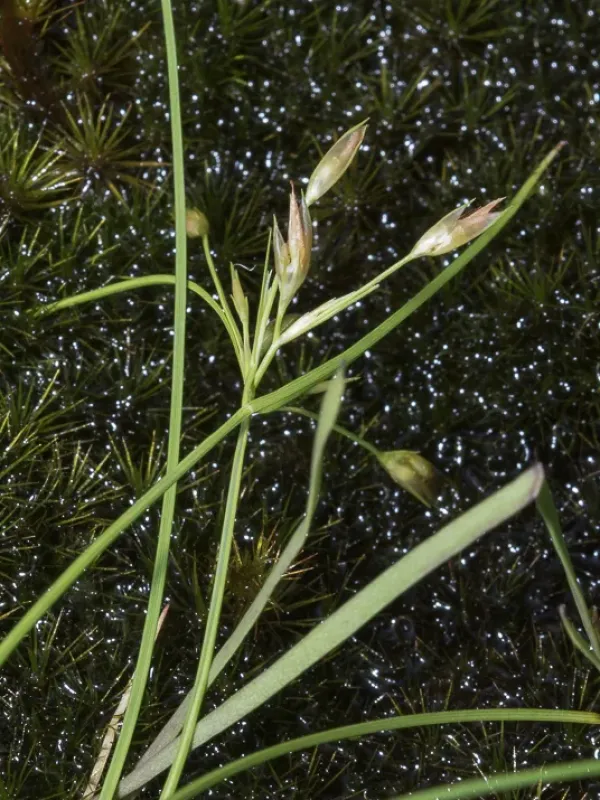
Description
Sowing dates
Rhynchospora brevirostris is a perennial herbaceous plant belonging to the Cyperaceae family. While not a conventional agricultural crop, it plays a vital role in ecological restoration and the maintenance of wetland biodiversity.
Propagation is typically carried out through seeds, which should be harvested when the scales of the spikelets are dry and starting to open. The ideal time for sowing is early spring, allowing the seeds to germinate under conditions of optimal soil moisture.
Vegetative propagation is also possible by dividing mature clumps. This method is effective for establishing new stands in disturbed areas where the goal is to quickly stabilize the soil and prevent water erosion.
The seeds require light for germination and should not be covered with a thick layer of soil. Sowing in moist, acidic substrates allows the seedlings to develop their root systems without excessive competition from other species.
Proper spacing is essential when establishing these plants in restoration zones to ensure that each individual has adequate access to sunlight and moisture, promoting healthy growth and expansion of the clump.
Growing requirements
This species is strictly a hydrophyte, preferring habitats with permanent or seasonal inundation. It thrives along lake margins, in wet meadows, and within swampy areas where the soil remains saturated throughout the growing season.
Rhynchospora brevirostris favors acidic, nutrient-poor, and often peaty or sandy soils. It is highly adapted to environments where higher-nutrient requirements of commercial crops would lead to growth failure, making it an excellent candidate for wetland management.
Sunlight is a critical factor for its survival. Although it inhabits wetlands, it does not tolerate deep shade from dense shrubbery or taller aquatic vegetation, as this significantly reduces the rate of photosynthesis.
The climate requirement centers on a stable, warm-temperate to subtropical environment. While the plant can survive cold winters, it is primarily sensitive to the desiccation of its root environment during the growing period.
Conservation of the natural water table is the most important management practice. Any drainage or diversion of water sources from its habitat will inevitably lead to the decline of the plant population within a few seasons.
Main diseases and pests
The most significant threat to the species is habitat loss due to industrial and agricultural drainage projects. Converting natural wetlands into arable land completely eliminates the specific micro-niche required by Rhynchospora brevirostris.
Fungal pathogens can affect the plant during periods of stagnant water and high humidity. These infections often manifest as leaf spots, which can weaken the plant and reduce its reproductive capacity for the following year.
Competition from invasive species is a severe problem in disturbed areas. Aggressive weeds can outcompete the slow-growing beaked beaksedge, depriving it of the necessary space and light to maintain its hold on the soil.
Pollution from agricultural runoff, particularly the introduction of nitrogenous and phosphorus-rich fertilizers, alters the soil chemistry. Since this plant is adapted to low-nutrient environments, such chemical imbalances prove detrimental.
Grazing by wild herbivores can be a localized threat, although the plant's tough, fibrous texture often discourages excessive consumption unless other food sources are scarce in the wetland area.