
Rhynchospora cephalotes
Rhynchospora cephalotes
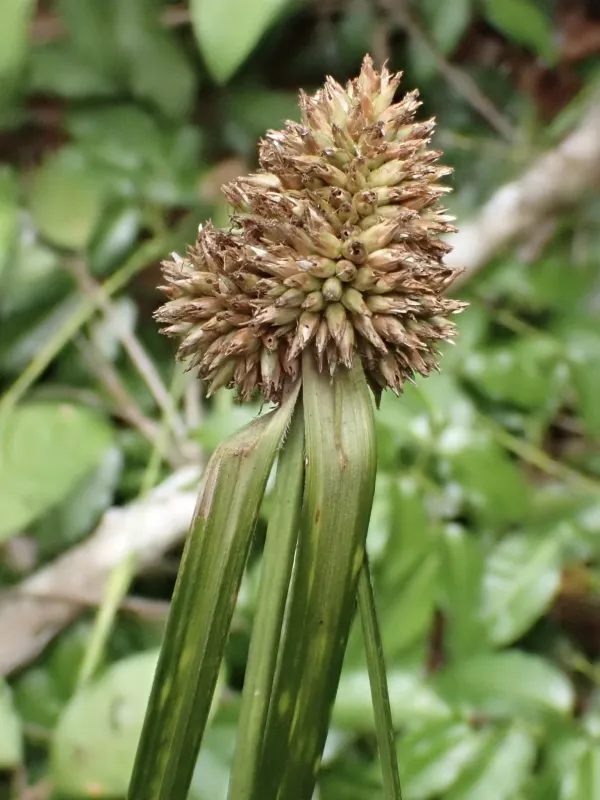
Description
Growing requirements
Rhynchospora cephalotes is a perennial herbaceous plant classified within the Cyperaceae family, commonly known as the sedge family. This plant is well-adapted to the ecological niches provided by tropical and subtropical environments.
The native distribution of this species spans across Central and South America, where it thrives in wetlands, moist savannas, and along the edges of aquatic bodies. It is highly valued for its ability to stabilize damp ground.
Botanically, it features specialized root systems that enable the plant to survive in water-logged soils. The leaf structure is typically elongated and narrow, optimized for maximum light interception in humid forest clearings or grasslands.
The climatic requirements are centered around a consistent warm climate throughout the year. It possesses little to no cold tolerance, limiting its natural range to regions without frost, which is a key factor for its potential cultivation.
Regarding soil conditions, Rhynchospora cephalotes prefers acidic substrates that retain moisture well. It is often found in sites where nutrient cycling is rapid, meaning it responds well to organic matter enrichment in the soil profile.
Main diseases and pests
As with many members of the Cyperaceae, Rhynchospora cephalotes can be susceptible to various fungal pathogens when environmental conditions become excessively humid or stagnant. Leaf spots and rust diseases are the most common issues.
Pests that inhabit tropical grasslands can occasionally infest this sedge, specifically impacting the stems and reproductive structures. Such herbivory can lead to a reduction in biomass production if not managed correctly.
The primary environmental threat is the degradation of its natural habitat through human activity, specifically drainage projects. Since the plant relies on consistent groundwater levels, sudden changes can lead to rapid population decline.
Root rot represents a significant threat during periods of excessive flooding when water circulation is poor. Maintaining proper soil health and drainage is essential to mitigate these biological risks in managed stands.
Effective management strategies include periodic monitoring for fungal outbreaks and maintaining sustainable grazing intensities. Proper ecosystem management ensures the resilience of the plant against both biotic and abiotic stressors.