
Chinese beaksedge
Rhynchospora chinensis
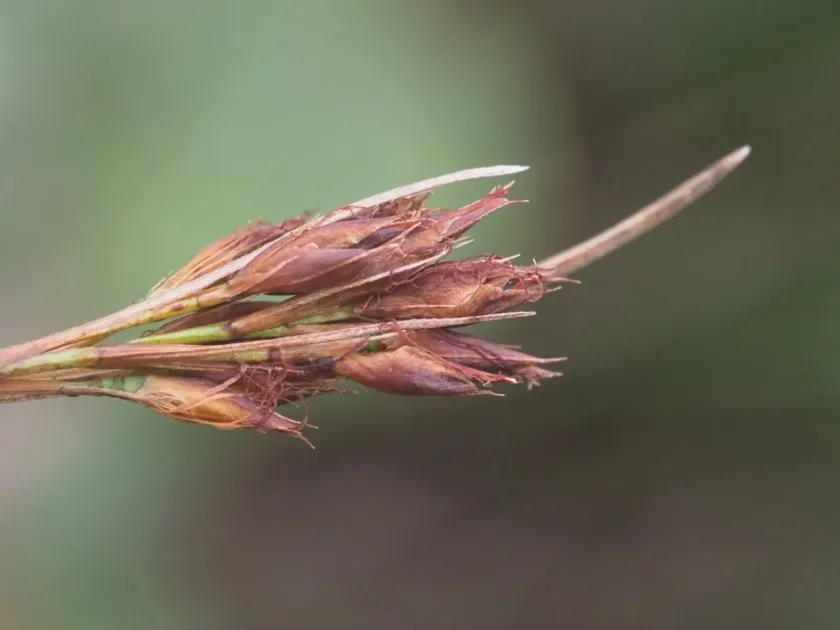
Description
Growing requirements
Chinese beaksedge (Rhynchospora chinensis) is a perennial herbaceous plant belonging to the Sedge family (Cyperaceae). It is characterized by its tufted growth habit and specialized inflorescences that are typical for the Rhynchospora genus within the sedge family.
The plant originates from East Asia, with a natural range extending across China, Japan, and Korea. It is primarily found in wetland ecosystems, including marshes, wet meadows, and the margins of ponds, thriving in habitats where the soil remains saturated throughout the growing season.
In terms of environmental requirements, this species is strictly adapted to high-moisture conditions. It requires consistently moist, nutrient-rich soils, preferably with a slightly acidic to neutral pH. It is highly sensitive to desiccation and cannot withstand prolonged drought periods.
Cultivation practices should prioritize hydrological management. In an agricultural or horticultural setting, the substrate must be maintained in a waterlogged or saturated state. Providing adequate spacing is essential to ensure proper aeration for the foliage while keeping the roots in a wet environment.
Regarding its utility, the plant is valued for its ecological function in bio-filtration and soil stabilization in wetland areas. While not a conventional food crop, it serves as a specialized plant for environmental remediation projects and as an ornamental species in water gardens and naturalistic landscapes.