
Rhynchospora corymbosa
Rhynchospora corymbosa
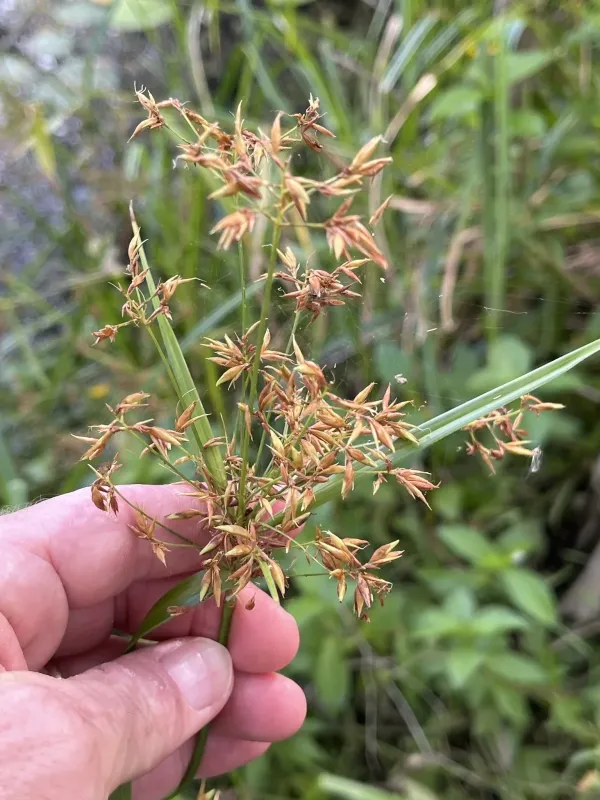
Description
Growing requirements
Rhynchospora corymbosa is a perennial herbaceous plant belonging to the Cyperaceae family. It is naturally occurring throughout the tropical and subtropical regions of the Americas, Africa, and Asia, often found in marshy areas and near water bodies.
The cultivation of this species requires specific moisture conditions. It thrives in waterlogged soils and is frequently found in saturated habitats, making it highly suitable for wetland reclamation projects and industrial biomass production in high-moisture environments.
Soil requirements involve a preference for acidic to neutral conditions with a high organic content. Adequate sunlight exposure is essential for the plant to achieve its full potential in biomass accumulation and to produce healthy seeds during the growing season.
Climate adaptation is restricted to tropical and warm temperate zones. The plant is extremely sensitive to frost and freezing temperatures, which restricts its agricultural cultivation to regions with a long and frost-free growing cycle.
The agronomic management of this culture focuses on managing water levels and nutrient balance. Beyond its ecological function, it has historical use as a source of raw fiber for weaving and is recognized for its potential in phytoremediation processes.
Main diseases and pests
Fungal diseases remain the most significant threat to the culture in dense plantations. These pathogens typically thrive in stagnant water environments where air circulation is poor, causing leaf spots and stem rots that degrade fiber quality.
Insect pests including various aphids and mites may target the foliage, causing stunted growth. Infestations are often exacerbated when the plants are under stress due to poor water quality or nutrient deficiencies in the substrate.
Preventive measures include maintaining optimal planting density to encourage airflow. This cultural control technique is crucial for minimizing the risk of fungal proliferation and managing potential pest outbreaks without broad-spectrum chemicals.
Integrated pest management in wetland environments emphasizes the use of biological agents that do not contaminate water sources. Monitoring is essential, especially during the peak of the rainy season when humidity levels are at their maximum.
Sustainable production depends on soil health and the prevention of root diseases. Careful observation of the plant base for signs of decay is recommended to ensure the longevity of the perennial stands and consistent yields.