
Short-bristle horned beaksedge
Rhynchospora corniculata
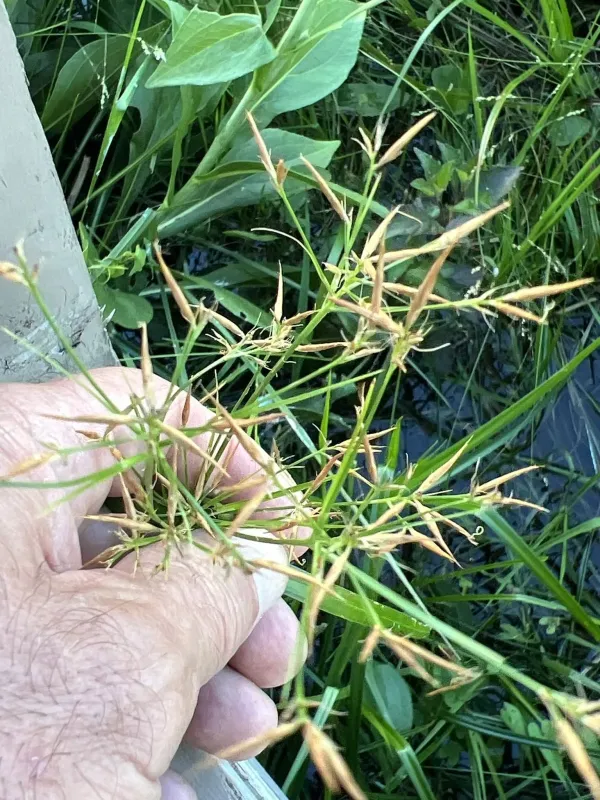
Description
Growing requirements
Rhynchospora corniculata, known as the short-bristle horned beaksedge, is a perennial herbaceous plant belonging to the sedge family (Cyperaceae). Native to North America, it thrives in wetland habitats, including marshes, swamps, and pond edges.
The plant has specific soil and environmental requirements. It performs best in consistently moist to wet, acidic soils rich in organic matter. These conditions mirror the natural hydrologic regimes found in its native swampy regions.
This species exhibits a high tolerance for periodic inundation, making it an excellent candidate for wetland restoration and environmental stabilization projects. It prefers full sun exposure to maintain vigorous growth and robust stem production.
Botanically, it is characterized by its clumping habit with erect, tall stems reaching heights of 1 to 1.5 meters. The leaves are linear and grass-like, which is typical for the sedge family, and the inflorescence consists of distinct, horn-like spikelets.
Economically and ecologically, this plant is valued for its capacity to improve water quality through biofiltration. It serves as an effective erosion control agent along riparian zones and is increasingly used in bio-swale landscape designs.
Main diseases and pests
The primary threats to the short-bristle horned beaksedge involve pathogens common to wetland sedge species, particularly those induced by water stagnation.
Fungal diseases, including various types of leaf rust and fungal leaf spots, represent a significant risk when air circulation is poor and humidity levels remain consistently high.
Pests that target this plant include various larvae and beetles that feed on the soft internal tissues of the stems or damage the developing seed heads during the reproductive phase.
To mitigate these threats, it is essential to manage planting density and ensure adequate water movement to prevent stagnant conditions that favor pathogen proliferation.
Chemical control methods are rarely advisable due to the sensitive nature of the aquatic ecosystems where this plant is typically grown; therefore, integrated pest management focuses on sanitation.