
Rhynchospora stellata
Rhynchospora stellata
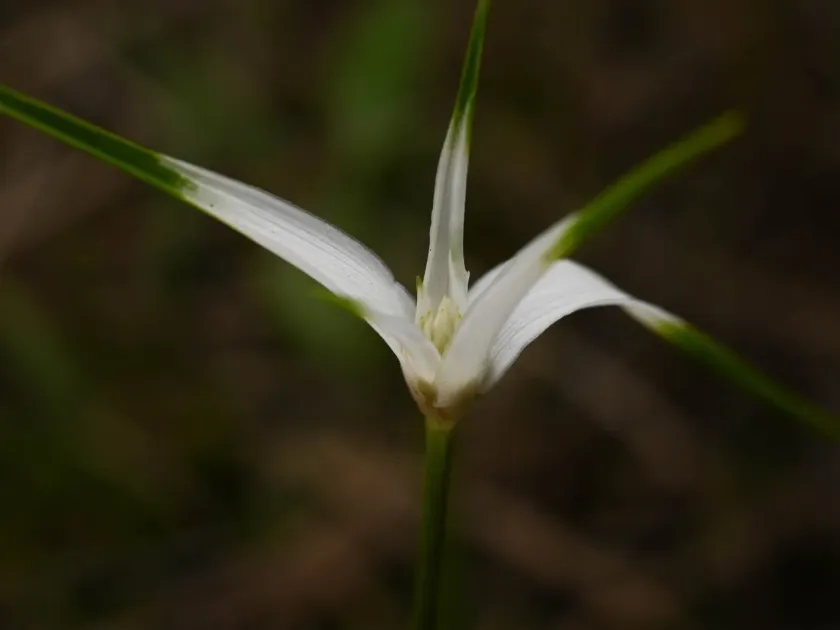
Description
Growing requirements
Rhynchospora stellata, commonly known as star sedge, is a distinctive perennial plant belonging to the Cyperaceae family. It is widely recognized for its attractive white bracts that radiate from the inflorescence, creating a star-like appearance that adds significant ornamental value.
The species is native to the subtropical regions of North America, typically inhabiting wetlands, marshes, and the edges of ponds. Its natural distribution is closely linked to environments with consistently moist or saturated soils throughout the growing season.
In terms of cultivation, Rhynchospora stellata requires full sun to achieve its maximum visual potential. Exposure to direct sunlight ensures the bracts develop their characteristic brightness, while partial shade often results in weaker growth and reduced floral displays.
The plant thrives in acidic to neutral, nutrient-rich soils that maintain high moisture levels. It is highly recommended to use organic-rich substrates, such as peat-based mixtures, which mimic the natural bog-like conditions to which this species is evolutionarily adapted.
Water management is the most critical aspect of the plant's agrotechnical needs. During the active growth period, it is essential to ensure that the root zone never completely dries out, as this can severely stress the plant and inhibit its development.
Main diseases and pests
While Rhynchospora stellata is generally hardy, it can be susceptible to several issues if the environmental conditions are not properly managed. The most common threats are related to fungal pathogens, which proliferate in poorly ventilated, overly humid conditions.
Leaf spot diseases can occur during prolonged periods of high humidity and stagnant air. These infections typically manifest as discoloration on the foliage and, if left untreated, can lead to significant aesthetic damage to the plant clumps.
Pests such as spider mites may occasionally infest the plant, particularly during spells of hot and dry weather. Implementing a regular misting schedule or ensuring adequate air humidity can prevent these pests from reaching harmful population levels.
Root rot is a significant danger if the soil drainage is inadequate, leading to the accumulation of standing water that lacks oxygen. It is crucial to monitor the condition of the substrate to ensure it remains moist but not waterlogged to prevent pathogen entry.
Integrated pest and disease management should focus on cultural practices, such as maintaining proper plant spacing and removing any dead or decaying plant matter. Utilizing targeted biological treatments can effectively control outbreaks while preserving the health of the surrounding ecosystem.