
Rhynchospora pura
Rhynchospora pura
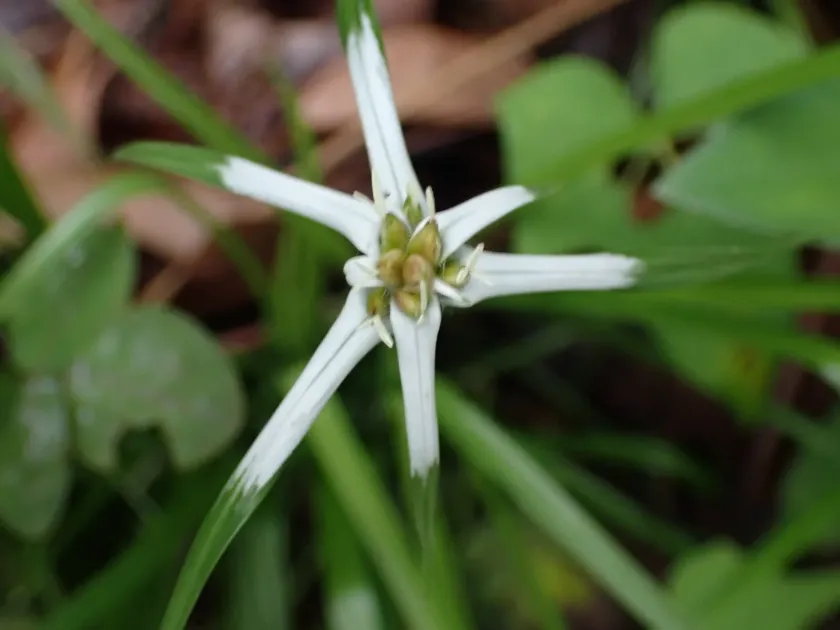
Description
Growing requirements
Rhynchospora pura is a perennial herbaceous plant belonging to the Cyperaceae family. It is a highly specialized species adapted to wetland environments, characterized by its ability to thrive in waterlogged conditions.
Native to tropical regions of South America, this plant is naturally distributed in humid landscapes. Its development is inherently linked to the availability of stable, high-moisture soil conditions throughout the growing season.
The plant requires acidic, organic-rich substrates to sustain its growth. It exhibits a remarkable tolerance for low-oxygen environments, which is a critical trait for survival in periodically flooded habitats.
Optimal climatic conditions for this crop include consistent temperatures ranging from +22 to +30 degrees Celsius. High solar radiation, combined with high humidity, fosters the fastest growth rates and biomass accumulation.
Agronomic management focuses on hydrological control to maintain the water level within a specific range. Proper soil management is essential to prevent degradation and ensure the persistence of the plant stand over many years.
Yield
The primary use of Rhynchospora pura is as a forage resource for livestock grazing in wet meadow ecosystems. Its palatable leaves and stems provide essential nutrients during the peak vegetative stage of the year.
Productivity is highly dependent on the ecological integrity of the site and the intensity of grazing management. Under balanced management practices, the plant serves as a reliable and renewable source of green biomass.
Nutritional analysis suggests that the plant contains a balanced profile of fiber and minerals, making it a functional component in the diets of ruminants grazing in challenging wetland conditions.
Beyond traditional grazing, research is exploring the use of the plant as a source of biomass for various technical applications. Its sturdy stems have potential for fiber extraction in sustainable agricultural industries.
Harvesting methods are generally extensive, involving rotational grazing or manual cutting. Future efforts are directed towards intensifying these yields through selective breeding and improved site preparation techniques.
Main diseases and pests
Environmental stress, particularly prolonged drought or drainage of wetlands, poses the most significant threat to Rhynchospora pura populations. The removal of water leads to rapid population decline and soil erosion.
Fungal pathogens represent a primary biological threat, especially in humid conditions where stagnant air promotes disease development. Management entails ensuring sufficient spacing and preventing overcrowding in the field.
Insect pests can damage foliage and hinder the generative process, affecting long-term population sustainability. Monitoring for localized outbreaks of leaf-eating insects is crucial for maintaining overall crop health.
Competition from invasive species that thrive in similar niches can lead to the displacement of the desired stand. Effective weeding and management practices are necessary to maintain the dominance of the crop.
Integrated pest management strategies are recommended, prioritizing biological controls to avoid negative impacts on the fragile aquatic ecosystem where this species typically resides.