
Rhynchospora exaltata
Rhynchospora exaltata
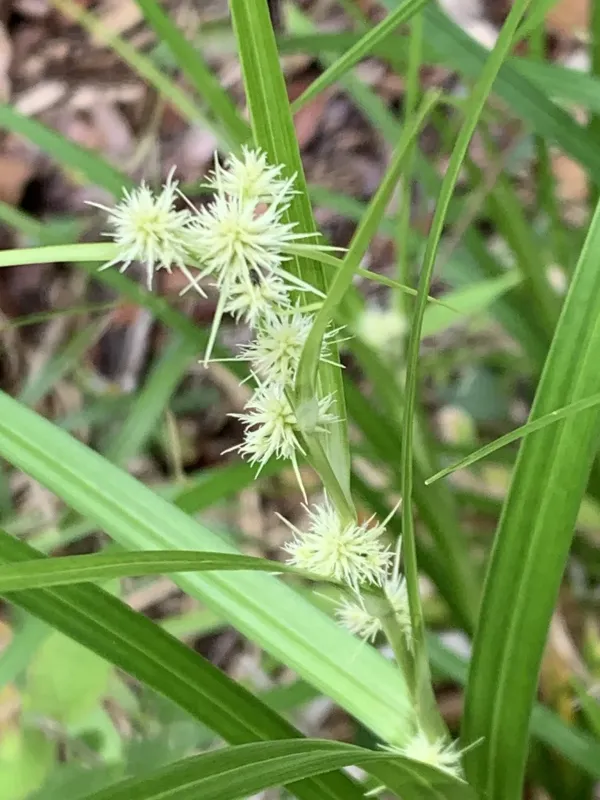
Description
Sowing dates
Rhynchospora exaltata belongs to the Cyperaceae family, commonly known as sedges. As a crop, it requires specific wetland-like conditions to thrive, making it a specialized plant in botanical and agricultural studies.
The sowing process begins with the preparation of a moist, nutrient-rich substrate that mimics the plant's natural habitat. Seeds have a natural dormancy, so professional cultivation often involves priming techniques to ensure uniform germination rates.
Optimal sowing time is aligned with the onset of high-humidity periods. The seeds should be surface-sown, as they require adequate light exposure to trigger the germination process effectively.
During the establishment phase, maintaining a constant water level is critical. The irrigation system must ensure that the growing medium remains saturated without creating stagnant conditions that could promote harmful anaerobic bacteria.
The plant exhibits a robust growth pattern once established. Careful spacing during the initial sowing stage is necessary to ensure each plant receives sufficient resources, such as sunlight and soil nutrients.
Growing requirements
Rhynchospora exaltata thrives in acidic, water-logged soils. It is naturally adapted to wetlands and marshy environments, making the regulation of soil moisture the most important factor in its management.
The crop requires full sun exposure to maximize its photosynthetic potential. Shade-heavy environments lead to elongated, weak stems and significantly lower biomass production compared to well-lit areas.
Temperature requirements are strictly tropical. The species cannot survive frost, meaning successful cultivation is limited to regions where temperatures remain consistently between 20°C and 30°C throughout the growing season.
Soil nutrient levels should be carefully monitored. The plant benefits from organic matter-rich substrates, which help maintain the structure and water-holding capacity of the soil, essential for deep root development.
In terms of fertilization, applying balanced nutrients is recommended, especially in controlled environments. Focus should be placed on nitrogen to support rapid vegetative growth throughout the development cycle.
Main diseases and pests
Fungal pathogens represent the primary threat to Rhynchospora exaltata, particularly those that flourish in environments with high humidity and stagnant air. These infections can target leaf tissue and root systems alike.
Pests such as specialized beetles and larvae can affect seed production and damage flowering stalks. Regular scouting is required to prevent significant yield losses, especially during the reproductive phase of the plant.
Management strategies focus on preventive measures. Improving air circulation within the plant canopy and monitoring the quality of water sources are key to maintaining a healthy crop density.
Weed competition is only a concern during the first weeks of the plant's life. Once the sedge reaches maturity, it forms a dense stand that effectively suppresses most competing plant species in the area.
Physiological stress caused by sudden changes in water quality or salinity levels can weaken the plants, making them more susceptible to opportunistic diseases that can rapidly spread across the field.