
Rhynchospora cyperoides
Rhynchospora cyperoides
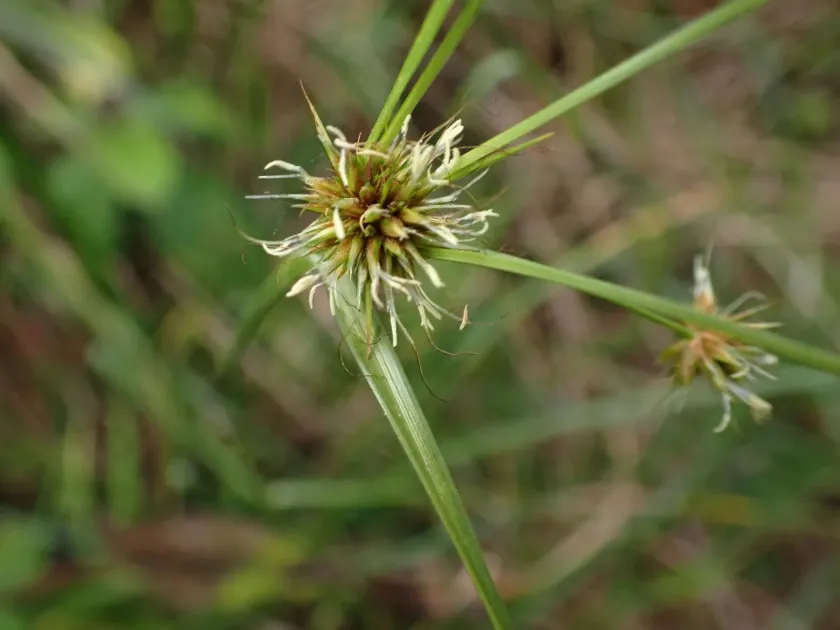
Description
Sowing dates
Rhynchospora cyperoides belongs to the Cyperaceae family and is recognized for its adaptation to marshy habitats and moist environmental conditions.
The sowing process involves planting seeds in a well-prepared, moisture-rich seedbed during the early spring to ensure successful germination.
Seed depth should be kept minimal to allow for optimal access to light and moisture, which are critical for the early growth stages of this species.
Maintaining an appropriate planting density is essential to prevent overcrowding, which can negatively impact the yield and overall health of the crop.
Successful establishment relies on consistent moisture levels during the first few weeks following the emergence of the seedlings.
Growing requirements
The culture thrives in high-moisture environments, typically requiring soil types that are acidic and rich in organic matter content.
Adequate sunlight exposure is a mandatory requirement for this plant; it does not tolerate dense shade and performs best in open, sunny locations.
Soil water retention capacity is a key factor, as the species is sensitive to drought conditions that often occur in poorly managed wetland areas.
Temperature stability is crucial for sustained growth, with the plant preferring consistently warm climates typical of its native distribution range.
Nutrient management should focus on providing essential minerals that support leaf development and biomass accumulation throughout the season.
Main diseases and pests
The primary threats to this crop include fungal infections, which are frequently triggered by excessive humidity and poor air circulation in dense stands.
Root rot and stem blight are common pathologies that can significantly reduce the vitality of the crop if not managed with appropriate agricultural practices.
Insects and certain larvae types may pose a risk to the plant by feeding on the vegetative tissues, thereby reducing the structural integrity of the stems.
Effective pest control involves a combination of monitoring, sanitation, and the use of approved biological controls to maintain plant health.
Regular maintenance, including the removal of infected plant debris, is necessary to prevent the buildup of inoculum in the growing environment.