
Rhodamnia pauciovulata
Rhodamnia pauciovulata
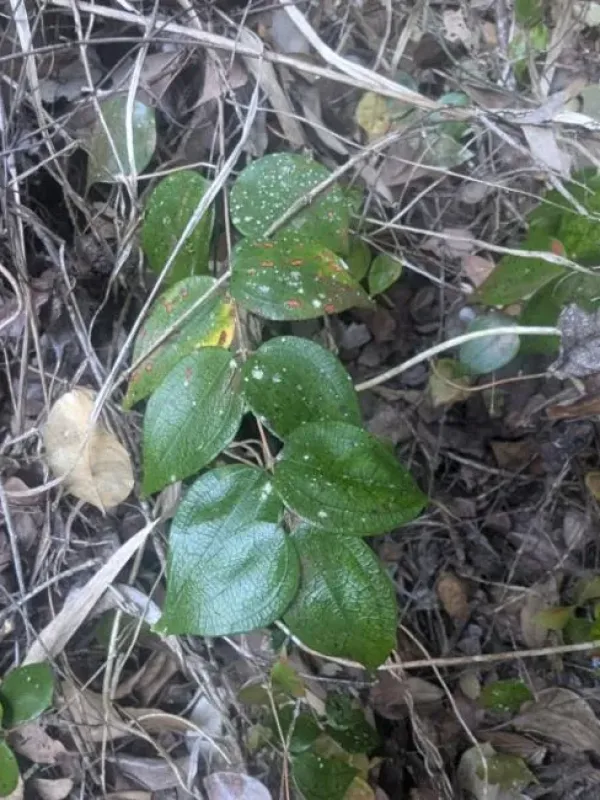
Description
Growing requirements
Rhodamnia pauciovulata is a unique evergreen species belonging to the Myrtaceae family. It is known for its ecological adaptation to specific tropical environments, necessitating careful management when introduced into commercial cultivation.
The crop thrives in warm, stable climates. It cannot withstand frost, which is a major limiting factor for its distribution. Temperatures should consistently remain within the range that supports tropical physiological processes.
Soil requirements are strict, focusing on excellent drainage and moderate fertility. The root system is sensitive to waterlogging, so planting on mounds or in well-structured soil is highly recommended.
Exposure to sunlight is essential for optimal flower induction and fruit set. While the plant can tolerate slight shade, high-intensity light is generally required to achieve maximum yield potential.
Management of atmospheric humidity is equally vital. It must be balanced to promote growth while minimizing the risk of fungal infections that often plague plants in the Myrtaceae family during humid seasons.
Yield
The primary agricultural interest in Rhodamnia pauciovulata lies in its fruit, which serves as a niche commodity for culinary and potentially nutraceutical markets due to its chemical profile.
Productivity is significantly enhanced through precise pruning techniques. By thinning out excessive foliage, growers can improve airflow and light penetration, directly increasing the size and quality of the harvest.
Nutrient management is essential for this species. A balanced fertilization program, focusing on micronutrients alongside standard NPK ratios, ensures that the plant has the energy required for fruit development.
Harvesting strategies involve hand-picking to avoid damaging the fruits, which are delicate and have a short shelf life once ripened. Proper post-harvest handling is critical for maintaining market value.
Future potential for this crop may involve the selection of cultivars with improved disease resistance and higher yield consistency to support more large-scale agricultural adoption.
Main diseases and pests
The primary threats to Rhodamnia pauciovulata include various leaf spot diseases and root rot pathogens, which are particularly prevalent in intensive cultivation systems lacking proper sanitation.
Insects like mealybugs and mites are common pests that can hinder growth. They congregate on tender new shoots and leaves, reducing the photosynthetic efficiency of the plant.
Effective pest control involves a combination of biological agents and careful use of horticultural oils or pesticides. Monitoring protocols should be established to identify infestations before they become widespread.
Weed management in the orchard is necessary to reduce competition for water and nutrients. Mechanical weeding is preferred over chemical methods to protect the sensitive root environment.
Regular inspections and the removal of infected plant debris are fundamental practices to maintain a healthy plantation and prevent the spread of diseases among the tree population.