
Silver Rhodamnia
Rhodamnia argentea
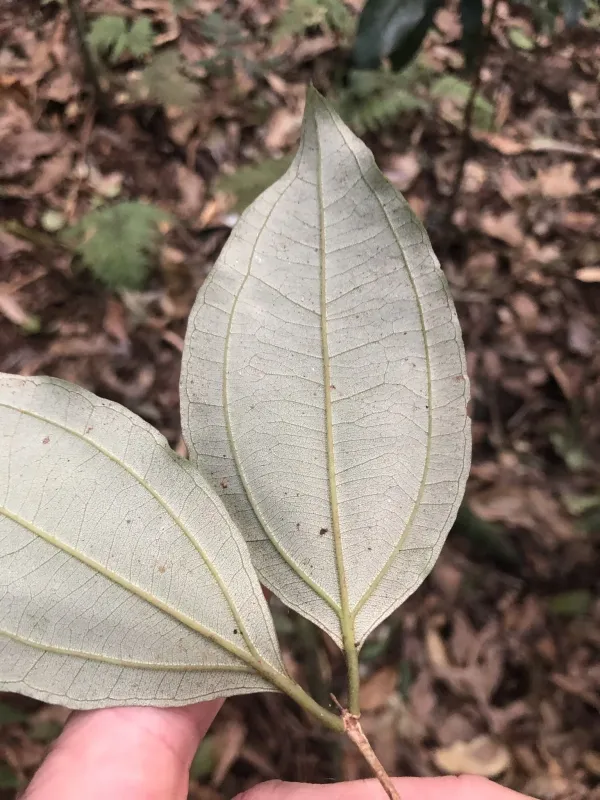
Description
Sowing dates
Silver Rhodamnia (Rhodamnia argentea) is a member of the Myrtaceae family. In the wild, seed dispersal and germination are triggered by the onset of the rainy season, which provides the necessary moisture for early development.
For agricultural cultivation, seeds require pre-treatment such as soaking to improve germination uniformity. Seeds should be sown in a well-draining nursery substrate to prevent damping-off diseases.
The optimal temperature for successful germination ranges from 22 to 26 degrees Celsius. Maintaining consistent humidity during the initial growth phase is crucial for healthy seedling development.
Transplanting to the permanent field site is recommended once the saplings reach a height of 30 to 40 centimeters, ensuring a robust root system before exposure to field conditions.
Optimal planting density depends on the specific commercial objective. For timber production, a spacing of 4x4 meters is typically adopted to allow trees to achieve maximum diameter.
Growing requirements
This species thrives in tropical and subtropical climates with abundant rainfall. It is sensitive to prolonged drought, especially during its formative years of establishment.
Deep, fertile, and well-draining loam soils are preferred for optimal growth. Waterlogged conditions must be avoided as they inhibit root respiration and promote decay.
The soil should have a neutral to slightly acidic pH. Rich organic matter content in the soil profile significantly accelerates the growth rate and biomass production of the tree.
Silver Rhodamnia requires full sun exposure for vigorous development. Shade competition reduces the quality of the timber, leading to thinner trunks and less dense wood structure.
In regions with distinct dry seasons, irrigation infrastructure is essential for the first few years until the tree establishes a deep enough root system to access deeper groundwater.
Yield
The primary economic value of the species lies in its durable hardwood. The wood is highly regarded for its strength and resistance to warping, making it suitable for various carpentry applications.
Technical maturity for industrial harvesting is typically achieved within 25 to 35 years. Proper management during the growth cycle is essential to reach this milestone efficiently.
The fruits of Silver Rhodamnia are edible and hold minor value for local subsistence. While not a major commercial crop, they provide an additional utility within agroforestry systems.
The total yield of wood per hectare is influenced by silvicultural practices such as thinning and pruning. Regular maintenance ensures that resources are directed toward the best-performing stems.
Secondary outputs include leaf extracts and bark, which have been explored for traditional medicinal uses, providing potential value-added opportunities for growers.
Main diseases and pests
Fungal leaf diseases are a major threat, particularly in environments with high humidity and stagnant air. Promoting airflow within the plantation is a key preventative measure.
Wood-boring insects can cause significant damage to stressed or neglected trees. Regular monitoring for exit holes and frass is necessary to maintain the integrity of the timber.
Powdery mildew is a common concern in dense plantings where canopy ventilation is poor. Early intervention with suitable fungicides may be necessary in nursery environments.
Weed control is critical during the first three years post-planting. Competing vegetation can severely stunt sapling growth by depriving them of light and soil nutrients.
Root rot caused by poor soil drainage remains a significant risk. Selecting elevated or naturally well-draining terrain is the best long-term strategy for preventing this issue.
Harvesting
Fruit harvesting is primarily a manual process, conducted when the fruits reach full maturity. Careful handling is required to prevent bruising and to maintain quality for local markets.
Timber harvesting should ideally take place during the dry season to minimize soil compaction and facilitate easier transportation of logs from the plantation site.
Immediate post-harvest processing is required for the logs, including debarking and the application of sealants to the ends to prevent excessive moisture loss and splitting.
When harvesting leaves or bark, sustainable practices are essential to ensure the longevity of the trees. Rotation schemes allow the plants sufficient recovery time between harvests.
After initial processing, the wood is sorted and moved to seasoning kilns or open-air sheds, where it is dried according to strict industry standards for moisture content.