
Rhodamnia cinerea
Rhodamnia cinerea
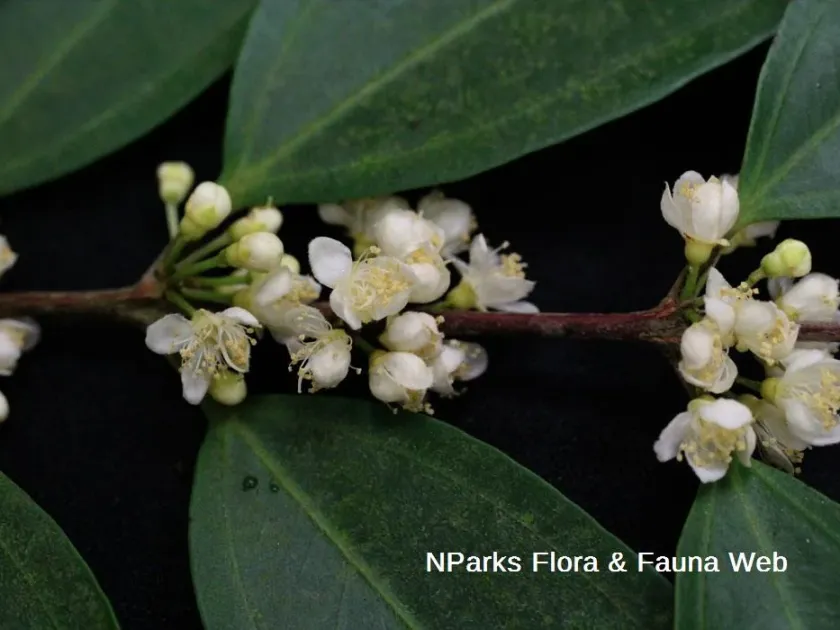
Description
Sowing dates
Rhodamnia cinerea is a member of the Myrtaceae family, native to tropical environments. Propagation is primarily achieved through seeds, which require specific moist conditions to germinate.
Seedbeds should be prepared with well-draining, nutrient-rich soil. It is essential to ensure a stable temperature, typically between 25 and 30 degrees Celsius, to support healthy germination.
Seeds are often pre-treated by removing the fruit pulp to prevent fungal contamination. Once seedlings emerge, they should be kept in a controlled nursery environment with moderate light.
Transplanting into the field is best performed at the onset of the rainy season to allow the root system to establish without heat stress. Spacing must be wide enough to prevent overcrowding as the trees mature.
During the first few years, young trees require regular monitoring and protective shade. This hardening-off process is crucial for long-term survival in an open field setting.
Growing requirements
This species thrives in a tropical climate characterized by high humidity and consistent warmth. It does not tolerate prolonged frost or extreme temperature fluctuations.
Soil requirements include deep, fertile, and well-aerated media. The plant is sensitive to waterlogging, which often leads to root diseases common in the Myrtaceae family.
High air humidity, ideally above 70 percent, is necessary for maintaining optimal physiological processes. Regular rainfall or scheduled irrigation is essential in non-rainy periods.
Moderate light intensity is preferred, especially for young saplings. As the tree matures, it can adapt to higher levels of solar exposure, but shade during development is beneficial.
Nutrient management involves applying compost and organic mulch around the base of the tree. This mimics the forest floor environment and retains soil moisture effectively.
Yield
The economic value of Rhodamnia cinerea is derived mainly from its dense, durable wood used in construction and craft. Mature trees are highly valued for their timber properties.
Leaves are also harvested for their essential oils, which have applications in traditional medicine and local industries. Sustainable harvesting techniques are used to preserve the plant.
The yield of biomass is dependent on the management practices employed during the growth cycle. Regular pruning can stimulate denser foliage production for leaf harvesting purposes.
Production cycles typically span several decades before reaching commercial timber maturity. Strategic planning is required for sustainable forestry and consistent product output.
Ongoing research into the chemical composition of the plant may reveal new industrial applications. Efficient extraction processes are key to maximizing the value of the harvested material.
Main diseases and pests
Fungal pathogens, particularly those causing leaf spot and root rot, are the primary threats to Rhodamnia cinerea. These issues are exacerbated by high moisture and poor drainage.
Insects that consume leaves can significantly stunt the growth of young saplings. Integrated pest management strategies are recommended to keep damage levels within acceptable limits.
Anthracnose is a common disease observed in many Myrtaceae species. Maintaining good airflow within the canopy helps to mitigate the risk of such outbreaks.
Competing weed species can drain resources away from the tree. Routine maintenance and mulching are necessary to keep the area clean and reduce competition for nutrients.
Boring insects can damage the trunk and branches of mature trees. Regular inspections and the removal of severely affected parts are necessary to prevent the spread of infestation.
Harvesting
Timber harvesting is conducted once the trees reach their technical maturity. Selective logging is preferred to maintain the structure of the plantation and protect younger specimens.
Leaf harvesting must be executed with care to ensure the tree's continued health. It is essential to leave enough foliage for the tree to sustain its photosynthetic needs.
Post-harvest handling involves rapid drying in shaded, ventilated areas. Proper moisture control is critical to prevent the growth of molds and the degradation of valuable compounds.
If bark is harvested, it should be done in a way that prevents girdling the tree. Using specialized tools ensures clean cuts that can heal more easily.
Transporting harvested materials requires breathable packaging to prevent heating and spoilage. High-quality storage protocols are vital for retaining product value until market delivery.