
Rhodamnia acuminata
Rhodamnia acuminata
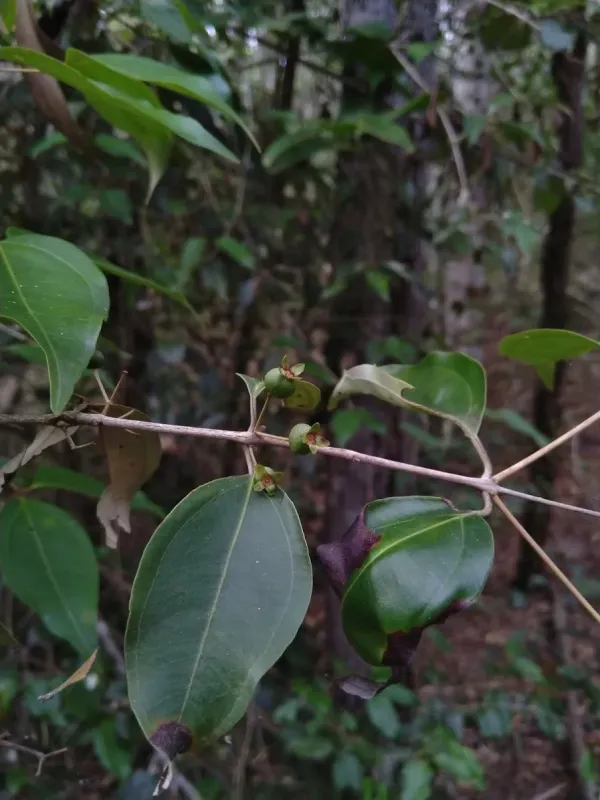
Description
Growing requirements
Rhodamnia acuminata is a notable plant species belonging to the Myrtaceae family. Native to tropical ecosystems, this plant thrives in humid environments characterized by consistent warmth and precipitation, making it a specialized subject for tropical agricultural systems.
The successful cultivation of Rhodamnia acuminata depends heavily on soil composition. It prefers deep, nutrient-rich soils that possess excellent drainage properties. Soils that are prone to waterlogging must be amended with organic matter to improve aeration and structural integrity.
Climate requirements for this culture include high ambient temperatures and significant atmospheric humidity levels. Growers should ensure that the planting site is protected from harsh, desiccating winds that could dehydrate the foliage and inhibit structural development of the woody stems.
Light management is a critical aspect of agrotechnology for this species. While it requires substantial photosynthetic radiation for healthy growth, young specimens should be managed under partial shade to prevent excessive transpirational stress during the establishment phase.
Fertilization regimes should be based on periodic soil testing to determine the specific nutrient availability. A balanced application of macro and micronutrients, particularly during the primary growing season, ensures optimal development of the canopy and long-term sustainability of the plantation.
Main diseases and pests
Pathogens affecting Rhodamnia acuminata are primarily fungal in nature, often flourishing when air circulation within the canopy is restricted. Common infections include rust fungi and leaf spots, which can significantly decrease the photosynthetic capacity of the plants.
Insect pests, including various species of mites and scale insects, frequently target the succulent growth of young branches. These infestations can lead to stunting and provide entry points for secondary bacterial infections if not addressed promptly with suitable interventions.
Root rot represents a severe threat usually linked to poor soil management or over-irrigation. Proper irrigation scheduling, tailored to the specific moisture retention capacity of the local soil, is essential for maintaining a healthy and resilient root architecture.
Integrated Pest Management (IPM) practices are highly recommended for the control of biotic stressors. By alternating between biological controls and targeted chemical applications, farmers can preserve the delicate balance of the agro-ecosystem while protecting the crop.
Regular monitoring of plant health, including visual inspections of leaf undersides and stems, is necessary for early detection. Maintaining clean cultivation tools and preventing the introduction of contaminated plant materials are vital steps in long-term disease prevention.