
Rhodamnia dumicola
Rhodamnia dumicola
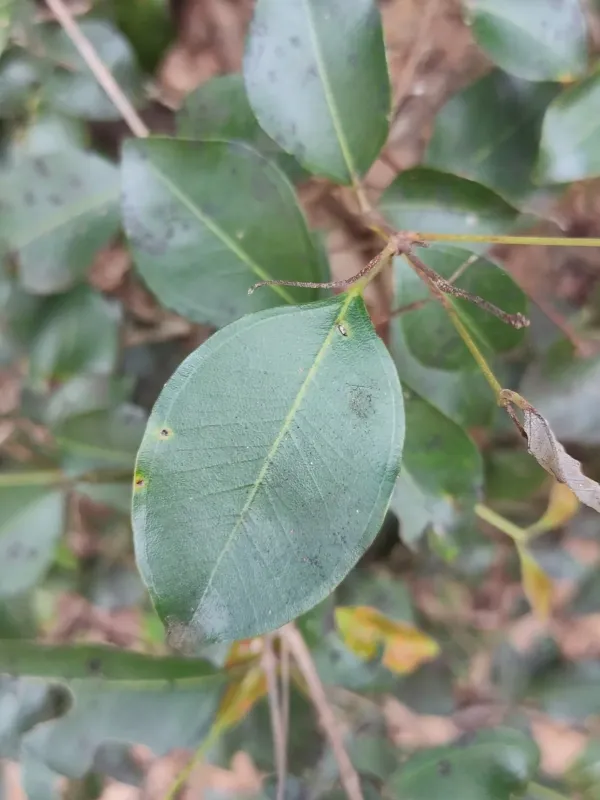
Description
Growing requirements
Rhodamnia dumicola is a distinctive shrub belonging to the Myrtaceae family, natively found in the coastal rainforests of eastern Australia. It thrives in the understory of dense woodlands, adapting to the specific filtered light conditions of the tropical and subtropical climate zones.
Botanically, the plant is characterized by its glossy, leathery leaves and typical Myrtaceae flower structure. It usually grows as a compact shrub or a small tree, exhibiting slow growth rates that allow it to maintain a dense form even under competition with other forest species.
Cultivation of this species requires well-draining, nutrient-rich soil with high organic content. Moisture management is crucial, as the plant demands consistent soil hydration without waterlogging, which can lead to root system issues if not properly controlled.
Climate requirements include stable, warm temperatures and high humidity levels. Rhodamnia dumicola is not frost-tolerant and should be protected from sudden cold snaps or dry, hot winds that can scorch the foliage and cause premature leaf drop.
In terms of agricultural and horticultural use, the plant is valued for its hardiness in appropriate zones and its aesthetic appeal. Research into its chemical properties, specifically the essential oils found in the foliage, continues to make it a subject of botanical interest.
Main diseases and pests
The primary threats to Rhodamnia dumicola involve fungal pathogens, particularly in environments with poor air circulation and excessive dampness. These conditions often lead to leaf spots and can significantly weaken the plant's overall health if left unmanaged.
Pests such as scale insects, aphids, and leaf-chewing larvae represent significant risks to the health of young seedlings. These insects can quickly colonize the succulent shoots, causing stunted growth and reducing the plant's ability to undergo photosynthesis effectively.
Prevention strategies should prioritize environmental management, such as maintaining proper spacing between plants to ensure adequate ventilation. This simple agricultural practice significantly reduces the proliferation of pathogens and pest colonies.
When infestation is detected, integrated pest management practices are recommended. Utilizing biological controls is preferred to maintain the health of the surrounding ecosystem and protect beneficial organisms that may share the habitat.
Finally, keeping the soil and root zone free of standing water and implementing a consistent fertilization schedule can boost the plant's natural resistance to diseases. Vigilant observation and early intervention remain the best tools for the successful cultivation of this species.