
Rehmannia briscoei
Rehmannia x briscoei
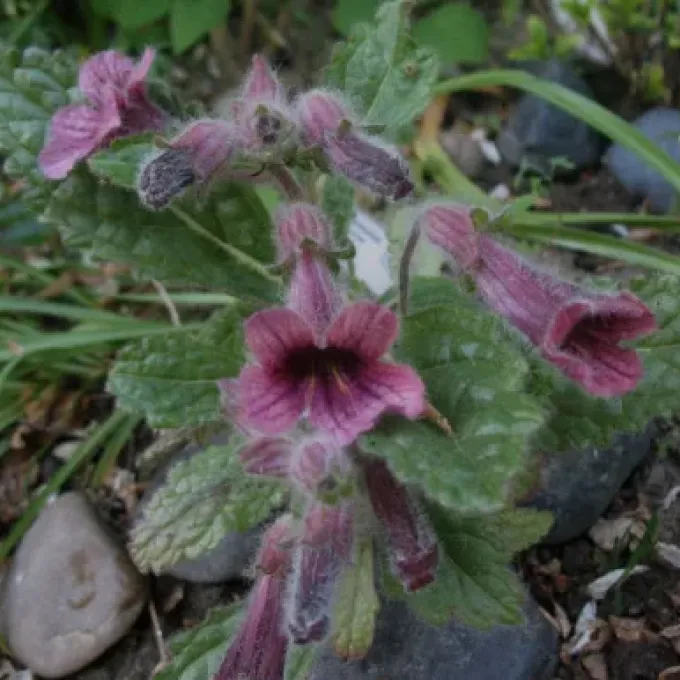
Description
Sowing dates
Propagation of Rehmannia briscoei is most commonly performed via vegetative methods, specifically by dividing the rhizomes in early spring. This allows the young plants to establish their root systems before the onset of the active growth period.
Seed propagation is also possible but requires pre-stratification for several weeks to improve germination rates. Seeds should be sown into well-draining substrate with minimal soil cover, maintaining consistent moisture levels throughout the process.
The optimal time for transplanting seedlings into the open field occurs once the danger of spring frost has completely passed. To ensure successful establishment, it is essential to maintain a distance of at least 30-40 centimeters between planting holes.
When cultivating in regions with temperate climates, it is recommended to start the plants indoors in greenhouses or cold frames. This gives the crop an advantage in early development, allowing the root system to strengthen before the heat of summer.
After planting, it is advisable to mulch the soil around the plants to maintain an optimal microclimate near the roots. This prevents the top layer of soil from drying out and significantly suppresses weed growth in the immediate vicinity of the rhizomes.
Growing requirements
Rehmannia briscoei, a member of the Orobanchaceae family, has specific lighting requirements. It prefers well-lit locations, although in regions with extremely hot summers, shade during the peak afternoon hours is highly beneficial.
The crop requires fertile, light-textured soils with excellent aeration. Waterlogging is detrimental to the plant, so if the groundwater table is high, it is necessary to provide high-quality drainage systems to prevent root rot.
The optimal soil pH level for the successful growth of Rehmannia lies within the slightly acidic to neutral range. It is recommended to regularly enrich the soil with organic components, such as well-rotted compost or manure, to support healthy development.
While the plant has moderate winter hardiness, the rhizomes require reliable protection in harsh winter conditions. Protective layers such as spruce branches, peat, or a thick layer of fallen leaves are used, which should be removed in the spring.
Irrigation should be regular and moderate: the soil must remain moist but not waterlogged. During the active flowering phase, the plant consumes more water, so the frequency of watering can be increased during dry weather periods.
Main diseases and pests
The primary threat to Rehmannia briscoei is root rot, caused by improper irrigation management. Excessive moisture combined with compacted soil quickly leads to the development of fungal infections that can destroy the entire root system.
In greenhouse conditions or environments with high humidity, plants may be susceptible to powdery mildew. Effective control involves the use of modern fungicides and ensuring adequate air circulation around the plantings to reduce humidity.
Pests such as aphids and spider mites can attack young leaves during hot weather. Regular inspection of the undersides of the leaves allows for the early detection of pest colonies and enables prompt treatment before damage becomes severe.
Slugs and snails can damage tender above-ground parts of the plant during wet seasons. Using traps or physical barriers around the bushes is an eco-friendly protection method that avoids the need for aggressive chemical pesticides.
Disease prevention relies on strict adherence to agricultural best practices, including proper crop rotation and the timely removal of plant debris. Strong, healthy plants possess natural immunity to most common environmental stressors and diseases.
Harvesting
The economic use of Rehmannia briscoei focuses on the harvesting of rhizomes, which are highly valued for their pharmacological properties. The harvest is typically conducted in the autumn, following the natural senescence of the above-ground parts.
Harvesting is best performed on dry days, which facilitates cleaning soil from the material. The roots should be extracted carefully with forks, taking care to avoid mechanical damage that could reduce the quality of the medicinal raw product.
Immediately after harvest, the rhizomes are cleaned of stem residues and thoroughly washed under running water. Subsequent preparation involves sorting and selecting only the healthiest and highest-quality specimens for further processing.
The drying of the raw material should take place in well-ventilated rooms at temperatures not exceeding 45 degrees Celsius. It is crucial to ensure uniform drying to prevent mold growth and the loss of essential bioactive compounds within the root structure.
Properly dried rhizomes should be stored in a dark, dry place within paper bags or wooden containers. When storage conditions are strictly followed, the valuable properties of the crop are preserved for an extended period until sale or processing.