
Rehmannia glutinosa
Rehmannia glutinosa (Gaertn.) Steud.
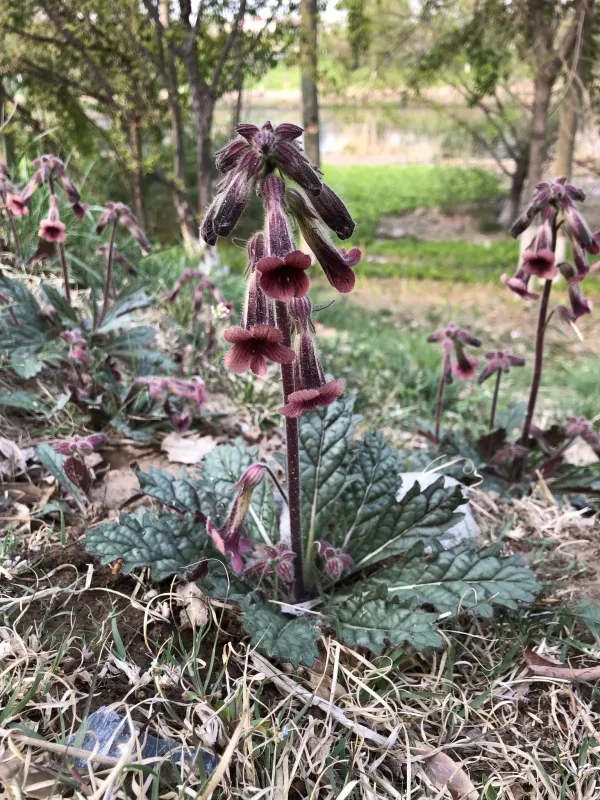
Description
Sowing dates
Rehmannia glutinosa is a perennial herb belonging to the Orobanchaceae family. It is widely cultivated for its large, fleshy rhizomes which are a cornerstone of traditional herbal medicine systems.
Seeds are typically sown in early spring within greenhouses or controlled environments to ensure high germination rates. The small size of the seeds requires precise handling during the sowing process.
Transplanting seedlings to open fields occurs once the frost risk has completely passed. The plant requires a spacious environment to allow its root system to expand without restriction.
Vegetative propagation via root division is a common agricultural practice. This method provides a more uniform crop and allows for faster establishment compared to seed-started plants.
Proper spacing is essential to maintain optimal airflow between plants, which is a critical factor in reducing the incidence of foliage diseases in the field.
Growing requirements
The plant thrives in well-drained, fertile sandy loam soils. Heavy clay soils should be amended with organic matter to improve aeration and prevent root waterlogging, which the plant cannot tolerate.
Rehmannia glutinosa prefers full sun but can tolerate partial shade in regions with extreme heat. Consistent light exposure is vital for the synthesis of bioactive compounds within the rhizome.
Soil pH should be managed within the 6.0 to 7.0 range. Regular soil testing is recommended to ensure that nutrient levels remain balanced throughout the entire growth cycle.
Water management is crucial; while the plant requires regular irrigation, the soil must be allowed to dry slightly between watering sessions to avoid root decay and fungal growth.
Organic fertilization, specifically the application of well-rotted compost, promotes vigorous root development and increases the overall resistance of the crop to environmental stress.
Main diseases and pests
Fungal diseases like root rot and Fusarium wilt are the most common threats to production. These often result from poor drainage or excessive soil moisture levels during the peak growing season.
Pests such as aphids and spider mites can damage the leaves, reducing the photosynthetic potential of the plant. Biological controls or targeted applications are advised to manage infestations.
Root-knot nematodes are particularly dangerous as they directly infest the rhizomes. Implementing strict crop rotation schedules is the primary strategy for preventing long-term nematode infestation.
Leaf spots caused by various pathogens may appear under high humidity conditions. Maintaining clean field practices and removing infected debris helps in lowering the overall disease pressure.
Early detection through regular field scouting allows for prompt intervention, which is key to saving the crop and ensuring a high-quality medicinal harvest at the end of the season.
Harvesting
Harvesting usually takes place in the second year when the senescence of the aerial parts signals that the rhizomes have reached maturity and maximum chemical content.
Mechanical harvesting must be performed carefully to avoid breaking or bruising the fleshy roots. The physical integrity of the rhizome is a primary indicator of high-quality raw material.
Immediate post-harvest processing involves washing the rhizomes to remove soil particles and debris. Speed in this stage is essential to prevent rapid degradation and spoilage of the crop.
The drying process is a specialized operation that requires temperature control. Properly dried roots should retain their characteristic color and texture without showing signs of internal browning.
Post-harvest storage should occur in a cool, dry, and well-ventilated environment to maintain the potency of the medicinal active ingredients for an extended period of time.