
Rehmannia piasezkii
Rehmannia piasezkii Maxim.
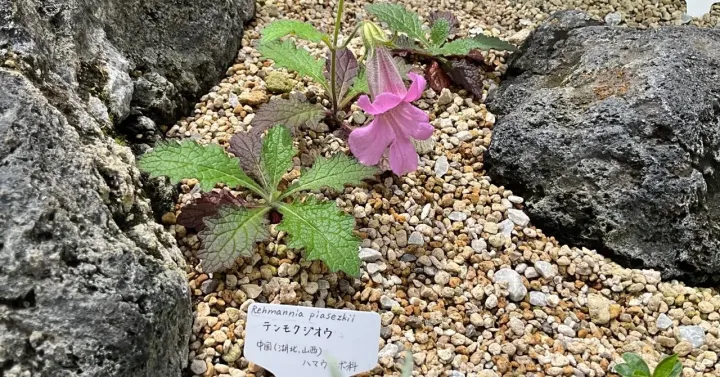
Description
Sowing dates
Rehmannia piasezkii is primarily propagated by seeds sown in early spring when temperatures stabilize between 15 and 18 degrees Celsius. The seeds are extremely small and require light for germination, so they should be sown on the surface of a light, moist substrate.
For industrial cultivation, greenhouse-grown seedlings are preferred to ensure high plant density and uniformity. Transplanting into the open field is typically done once the danger of late frost has passed, ensuring plants are well-established.
Proper spacing is crucial for the development of healthy root systems, with typical planting densities around 25,000 plants per hectare. Row spacing of 50 to 60 cm allows for efficient manual or mechanical inter-row cultivation throughout the season.
Vegetative propagation using root cuttings is another effective method, particularly useful for maintaining genetic purity and achieving faster maturity. This method ensures higher survival rates compared to direct seeding in challenging field conditions.
After emergence, thinning is necessary to ensure each plant has enough space to thrive. Crop rotation is highly recommended; avoiding planting Rehmannia in the same area for at least three to four years prevents the accumulation of soil-borne pathogens.
Growing requirements
Rehmannia piasezkii thrives in well-drained, fertile, loamy soils with a neutral to slightly acidic pH level. The plant is highly sensitive to waterlogging, which often leads to root rot, necessitating the use of raised beds or good natural drainage.
The plant requires plenty of sunlight for optimal development, though some light afternoon shade can be beneficial in regions with intense summer heat. Consistency in moisture levels is key during the vegetative stage, while soil should be slightly drier during root maturation.
Balanced fertilization is essential, emphasizing phosphorus and potassium to support underground growth. Excessive nitrogen application should be avoided, as it promotes excessive leafy growth at the expense of root density and quality.
Soil aeration is critical; regular hoeing or shallow cultivation helps maintain soil structure and oxygen availability to the roots. This prevents the soil from compacting, which is vital for the development of high-quality medicinal rhizomes.
As a member of the Orobanchaceae family, Rehmannia piasezkii has specific soil microbiota needs. Maintaining healthy soil structure through organic amendments, applied well in advance of planting, is a fundamental part of the agro-technological process.
Yield
The yield of Rehmannia piasezkii is measured by the weight and quality of the medicinal rhizomes produced. With proper management and fertilization, an average yield of 10 to 15 tons of fresh roots per hectare can be achieved.
Success depends on the plant's health during the peak vegetative period, where leaf area expansion drives energy storage. Modern irrigation techniques can help maintain high yields even during periods of low rainfall.
The quality of the harvest is determined by the concentration of active medicinal compounds, such as iridoid glycosides. Timing the harvest accurately and handling roots gently are the primary factors in maintaining high market value.
Post-harvest processing involves cleaning and drying, which reduces the raw weight significantly, typically leaving about 30 percent of the original mass. High-quality dry roots command a premium price on the international pharmaceutical market.
Economic viability relies on yield optimization and the reduction of manual labor through mechanization. Strategic planning and regular monitoring allow farmers to maximize production levels while keeping costs under control.
Main diseases and pests
The most significant threats to Rehmannia piasezkii include various root rot diseases, such as Fusarium, especially in soils with poor drainage. Once established, these diseases can rapidly spread, leading to significant yield losses.
Pests like aphids and spider mites can attack the foliage, reducing the photosynthetic efficiency of the plant. Integrated pest management strategies, utilizing biological control methods, are preferred to maintain the herb's medicinal purity.
Root-knot nematodes can cause severe damage, leading to stunted growth and deformed rhizomes. Phytosanitary measures, including the inspection of planting materials, are the most effective ways to mitigate this risk.
Weeds are a major concern during the early growth stages, as they compete for light, water, and nutrients. Keeping the plantation weed-free during the first two months is essential for long-term plant health and vigor.
Fungal issues, such as powdery mildew, can occur in dense plantings with low airflow. Ensuring correct plant spacing and maintaining good field hygiene are the best preventive measures for managing these fungal infections.
Harvesting
Harvesting usually takes place at the end of the second or third growing season, after the foliage begins to wither. This timing is critical to ensure that the rhizomes have fully matured and reached maximum therapeutic potential.
Mechanized lifting tools are used to extract the roots, which should be done carefully to avoid mechanical damage. Damaged roots are susceptible to decay and lose quality, which impacts the overall value of the harvested batch.
Immediately after lifting, the rhizomes must be cleaned of soil and debris, followed by washing in clean, running water. Rapid processing prevents unnecessary degradation of the active components within the root tissue.
Drying is a precise process that requires controlled temperatures and good ventilation to preserve the chemical constituents. Excessive heat must be avoided to prevent the loss of sensitive organic compounds important for pharmaceutical use.
Finally, the dried product should be packaged and stored in cool, dark, and dry conditions to ensure a long shelf life. Preventing moisture ingress during storage is vital to maintaining the high standards required by buyers.