
Rehmannia hybrid
Rehmannia elata x Rehmannia glutinosa
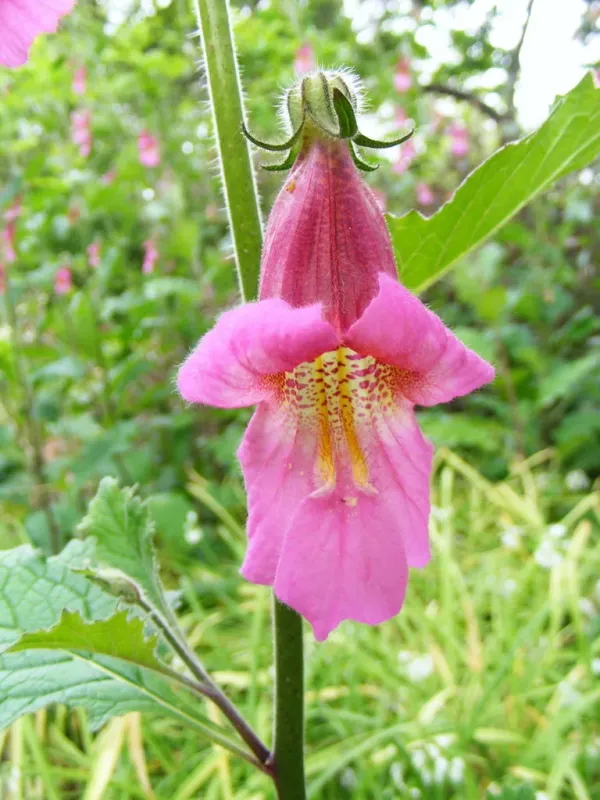
Description
Sowing dates
Sowing of Rehmannia hybrid seeds is primarily carried out in late winter or early spring using the seedling method. The seeds are extremely small, so they should be spread over the surface of moist substrate without covering them with soil, then covered with glass to maintain constant humidity.
The optimal temperature for seed germination is between 20 and 22 degrees Celsius. Seedlings should be pricked out after the appearance of two true leaves and transplanted into individual pots to facilitate the formation of a robust root system.
Young plants are moved to open ground only after the risk of spring frosts has passed. The spacing between plants during planting should be at least 30–40 centimeters to ensure adequate air circulation.
Propagation is also possible vegetatively by dividing rhizomes in early spring or autumn. This method allows for the preservation of all hybrid varietal characteristics, ensuring quick establishment in a new location.
To accelerate growth and strengthen plant immunity, it is recommended to use high-quality compost when preparing planting holes, which contributes to better development of the underground part.
Growing requirements
Rehmannia hybrid belongs to the Scrophulariaceae family and has specific lighting requirements. The crop prefers sunny areas; however, in regions with hot climates, light shading during peak daylight hours is necessary.
Soils for successful cultivation should be light, well-drained, and rich in organic matter. The plant reacts extremely negatively to waterlogging, which triggers rapid decay of its fleshy roots.
The optimal acidity level for this crop falls within a slightly acidic or neutral range. Liming of soils should be carried out well in advance if pH levels drop below 6.0.
The plant requires regular but moderate watering, especially during the active growth and flowering phases. In drought conditions, Rehmannia growth slows down, which negatively affects the quality of the root raw material.
In regions with harsh winters, Rehmannia requires mandatory protection with a layer of mulch, peat, or spruce branches. Without protection, rhizomes can perish even during short-term temperature drops to -10 degrees Celsius.
Yield
The yield of Rehmannia is measured by the mass of harvested rhizomes used in the pharmaceutical industry. The highest output of raw material is achieved in the third year of cultivation when the agronomic regime is strictly followed.
To increase plantation productivity, it is necessary to remove flower stalks in the first year of the plant's life. This allows for redirecting all nutrients toward the development of the root system rather than generative reproduction.
Under industrial conditions, yields can reach several tons of dry raw material per hectare. These indicators depend significantly on soil structure, which must allow roots to expand freely deep into the ground.
Regular potassium fertilization in mid-summer contributes to better accumulation of biologically active substances in root tissues. This increases the value of the harvest as a pharmacological product.
Timely weeding and row cultivation are keys to high yields. Competition with weeds during early growth stages can reduce the final output volume by 30-40 percent.
Main diseases and pests
The main threat to the crop is root rot caused by pathogenic fungi in waterlogged soil conditions. Prevention consists of strictly adhering to watering regimes and using proper drainage.
Aphids and spider mites can infest Rehmannia leaves during hot, dry weather. To combat these pests, biological insecticides or soap solutions are used to avoid compromising the organic nature of the raw material.
Powdery mildew often appears in dense plantings with poor air circulation. An effective control method is removing affected leaves and applying sulfur-based preparations.
Slugs and snails can cause serious damage to young shoots at the beginning of the season. It is recommended to use mechanical barriers or baits to protect seedlings during their most vulnerable stage.
Viral diseases transmitted through insect vectors can lead to leaf deformation. Diseased specimens must be immediately removed and destroyed to prevent the spread of the infection.
Harvesting
Rhizome harvesting is carried out in the autumn after the completion of vegetation and the wilting of the above-ground part of the plant. During this period, the roots accumulate the maximum amount of healing components needed for production.
Rhizomes are carefully extracted from the soil using garden forks, taking care not to damage their structure. Damaged parts are prone to faster spoilage, which reduces the quality of the commercial product.
After digging, roots are thoroughly cleaned of soil residues, washed in running water, and small side roots are removed. The cleaning process requires caution to preserve the integrity of the main root.
Raw material drying is carried out in specialized driers at a temperature of 40-50 degrees. Incorrect temperature settings can lead to the loss of active ingredients or mold development due to poor ventilation.
Storage of dried raw material is performed in dry, dark rooms with good ventilation using paper or fabric packaging. It is important to prevent moisture intake, as dried roots are naturally hygroscopic.