
Rehmannia elata
Rehmannia elata N.E. Br. ex Prain
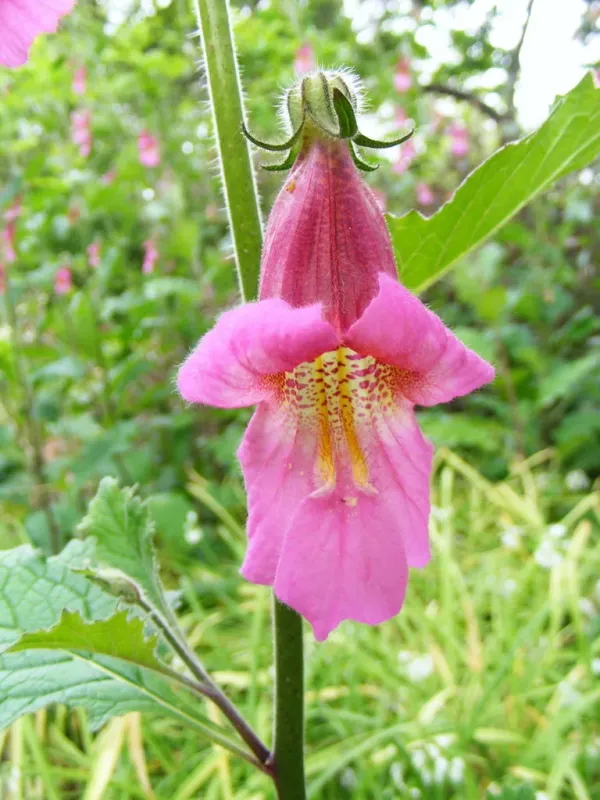
Description
Sowing dates
Sowing seeds of Rehmannia elata should be carried out in late winter or early spring, typically between February and March. For high-quality seedlings, seeds should be sown in containers filled with a light, well-draining substrate, without burying them deeply.
The germination of this species is relatively slow and requires maintaining a stable temperature range between 18 and 22 degrees Celsius. It is crucial to regularly mist the soil surface to prevent the young sprouts from drying out.
Seedlings should be pricked out when they reach the stage of two or three true leaves, after which they should be kept in greenhouse conditions until the risk of frost has passed. Transplanting into open ground is only possible once spring frosts have fully ended.
For vegetative propagation, segments of the rhizomes can be used, planting them directly into prepared plots during the spring season. This method allows for obtaining more robust plants that are ready for rapid establishment.
Adhering to a proper planting scheme is essential: the distance between individual plants should be at least 30–40 centimeters to ensure adequate air circulation throughout the foliage.
Growing requirements
Rehmannia elata, belonging to the Orobanchaceae family, prefers well-lit areas with light shading during the hottest hours of the day. Direct, intense sunlight can adversely affect the aesthetic quality of the leaves and the duration of the blooming period.
The crop requires fertile, humus-rich soil with a neutral to slightly acidic pH level. Ensuring excellent drainage is critical, as stagnant water in the root system can be fatal to this perennial plant.
The plant is heat-loving, and in regions with harsh winters, it requires high-quality winter protection or cultivation as a container-grown plant. Optimal humidity levels for active growth range between 60 and 70 percent.
Standard agrotechnology includes regular, moderate watering, which should be significantly reduced during the plant's dormant period. Over-watering frequently leads to fungal infections, making soil moisture control mandatory for healthy growth.
For intensive development, Rehmannia requires monthly fertilization with complex mineral fertilizers during the active growing season. Organic additives, such as compost, effectively enhance soil structure and nutrient availability.
Main diseases and pests
The primary threat to Rehmannia plantings is root rot, which occurs due to waterlogging and poor soil aeration. Preventive measures include maintaining a strict watering schedule and utilizing porous, well-draining soil media.
In greenhouse environments, the crop may be susceptible to spider mites and aphids, which feed on the sap of young leaves. The use of broad-spectrum insecticides is effective for managing and controlling pest populations.
Powdery mildew is another common disease characterized by a white, fuzzy layer appearing on the aerial parts of the plant. Prompt removal of infected fragments and treatment with fungicides are necessary to stop the spread of the infection.
Root-knot nematodes pose a significant risk when cultivating the crop in the same location for several consecutive years. Following crop rotation principles and using disease-free planting material is highly recommended.
Slugs and snails can cause mechanical damage to young leaves, especially during damp weather conditions. Installing physical barriers, using traps, or applying sharp-edged mulching materials can help reduce their presence and impact on the garden beds.