
Raphia monbuttorum
Raphia monbuttorum
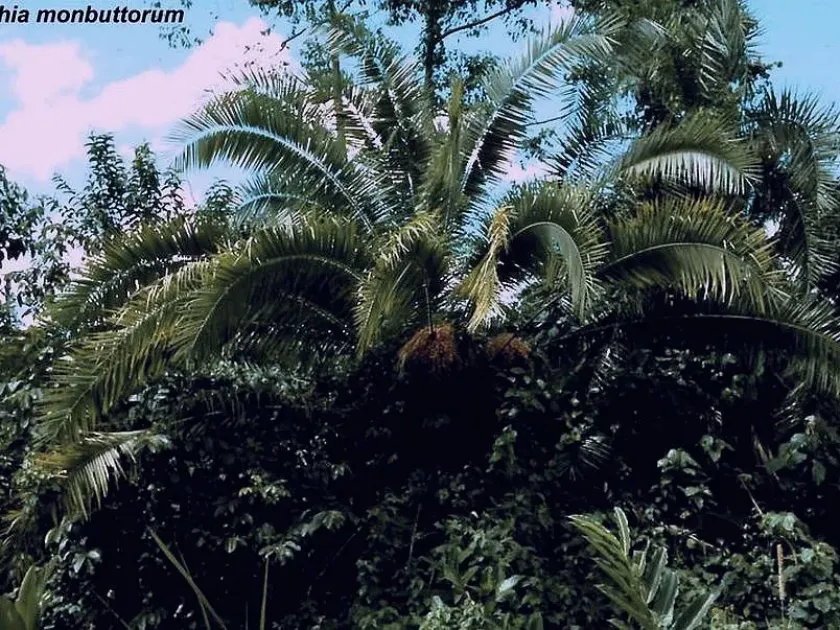
Description
Growing requirements
Raphia monbuttorum is a species of palm in the Arecaceae family, native to tropical Africa. This plant is well-known for its immense pinnate leaves, which are a primary source of high-quality raffia fiber used globally in textile and craft industries.
The palm thrives in swampy areas, riverbanks, and marshy habitats where moisture is constant. It typically develops a robust root system adapted to waterlogged soils, which are essential for maintaining the vigor required for continuous leaf production.
Climate requirements for this crop include consistent high temperatures, generally between 24 and 30 degrees Celsius, and high atmospheric humidity. It does not tolerate prolonged dry seasons, making it suitable only for specific tropical regions with heavy rainfall patterns.
Optimal soil conditions involve nutrient-rich, organic-heavy, and alluvial soils. Providing adequate space between individual palms is a critical agronomic practice to ensure each plant receives enough sunlight and air circulation for healthy growth.
Agronomic maintenance centers on manual weeding during the initial development phase. As the palm matures, its large canopy naturally suppresses competing vegetation, reducing the need for intensive field maintenance.
Harvesting
Harvesting Raphia monbuttorum is a delicate process that involves harvesting young, unopened leaflets. Skilled harvesters strip the epidermis from these leaflets, which is then dried to produce the durable, flexible fiber known as raffia.
Post-harvest management involves careful air-drying in shaded, well-ventilated areas to prevent discoloration and fungal decay. This stage is crucial for ensuring the fiber retains its flexibility and aesthetic quality for market distribution.
Industrial applications of raffia are diverse, ranging from traditional basket weaving and hat making to modern uses in gardening as a biodegradable tying material. Its strength and organic texture make it a preferred choice for eco-conscious manufacturing.
In addition to fibers, the palm serves as a source of sap, which is tapped to produce palm wine. This secondary harvest provides additional revenue streams for local agricultural communities integrated into the plantation system.
Sustainability in production is maintained by ensuring that the apical meristem is never damaged during the cutting process. By following sustainable harvesting rotations, farmers can keep a single stand of palms productive for several years.