
Raphia hookeri
Raphia hookeri
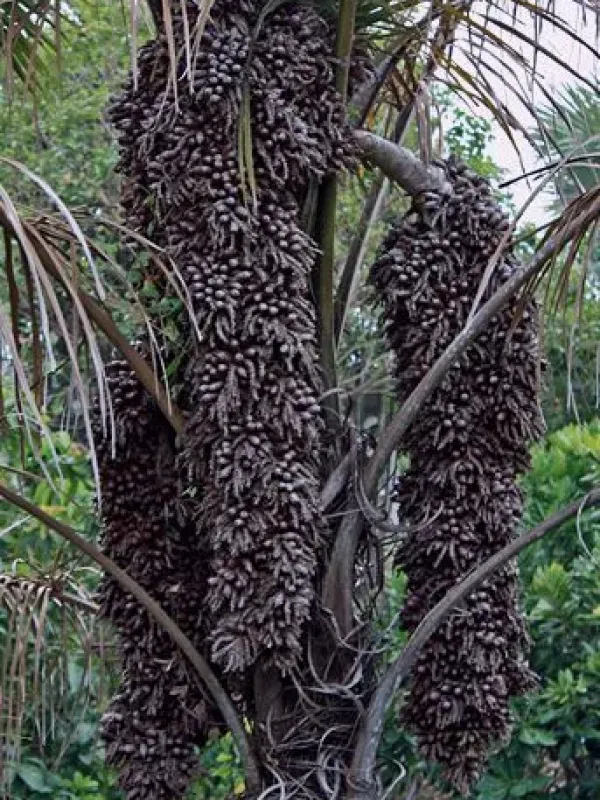
Description
Sowing dates
Raphia hookeri belongs to the Arecaceae family and is a perennial crop primarily propagated through seeds. It is essential to plant the seeds immediately after harvesting, as their viability decreases rapidly when they dry out or are stored for long periods.
The optimal time for sowing aligns with the onset of the rainy season, which ensures the necessary moisture levels for successful germination. Seeds are typically sown in specialized nurseries with a high concentration of organic matter to support early root development.
When transferring seedlings to their permanent location, maintaining a spacing of 8 to 10 meters is crucial to prevent resource competition and ensure the mature palms have enough light for growth. Proper spacing is a key factor in ensuring high-quality fiber yields later on.
Given the species' preference for wetland environments, the site preparation process should focus on maintaining consistent soil moisture. Providing shade for young seedlings in the first months of growth is a common practice to protect them from excessive tropical sun.
The transition from planting to productive fiber harvesting takes several years of dedicated maintenance. Consistent monitoring of the young palms is necessary to ensure they reach their full growth potential without stunted development.
Growing requirements
Raphia hookeri is a strictly tropical crop requiring stable air temperatures between 24 and 30 degrees Celsius. The plant is highly sensitive to cold and does not tolerate any form of frost, necessitating a climate with year-round warmth.
High soil moisture is the primary requirement for successful cultivation. The species naturally thrives in alluvial soils, swamps, and riverbanks where the water table is constantly high, reflecting its need for a steady supply of water.
While seedlings can withstand some shade, mature palms require full sunlight to optimize the photosynthesis required for cellulose synthesis. Insufficient light results in slow growth and lower quality, weaker fiber strands.
The soil should have a slightly acidic to neutral pH. Loamy or clay-based soils are preferred over sandy ones because they have superior water-holding capacities, which are essential for this palm's continuous growth and fiber development.
Regular application of organic fertilizer and mulching the base of the palm helps maintain soil fertility and prevents excessive heating of the ground. This contributes to a healthier root system and more vigorous growth of the leaf canopy.
Yield
The primary economic output of Raphia hookeri is high-quality bast fiber extracted from young, unopened leaves. The yield depends on the age of the palm, soil fertility, and adherence to proper agricultural management techniques throughout the season.
A single mature palm can yield significant amounts of leaf fiber annually if harvested correctly without compromising the plant's health. Systematic pruning of older leaves encourages the continuous production of fresh, harvestable leaf stalks.
Besides fiber, the plant produces fruits that can be processed for vegetable oil, providing an additional revenue stream for farmers. This dual-purpose utility enhances the overall economic viability of cultivating this species in tropical regions.
Maximizing yield involves optimizing plant density and ensuring that harvest schedules are synchronized with the plant's growth cycles. Experienced growers perform regular assessments to fine-tune cultivation practices according to the site's specific conditions.
The long-term productivity of the palm makes it a sustainable investment for agricultural communities. Reliable demand for natural raffia fiber in global markets ensures the continued financial sustainability of these plantations.
Main diseases and pests
The primary threats include fungal infections that proliferate in stagnant, high-humidity conditions where airflow is restricted. These pathogens can cause leaf discoloration and necrosis, rendering the fiber fibers brittle and unsuitable for high-quality production.
Palm weevils represent a significant risk to Raphia hookeri plantations. The larvae of these insects bore into the trunk, compromising the plant's structural integrity and often leading to the death of the palm if not addressed immediately.
Root damage caused by soil-dwelling pests increases the palm's susceptibility to secondary bacterial rots. These infections are common in tropical areas and can spread rapidly through a plantation if sanitary measures are ignored.
Maintaining plantation hygiene is the best defense; this includes the prompt removal and disposal of diseased leaves and debris. Preventing the accumulation of decaying material around the base of the palms reduces the nesting sites for harmful pests.
Regular plantation inspections and the strategic thinning of palm canopies to improve airflow are essential preventive measures. Proper management reduces the need for heavy chemical intervention, promoting a more sustainable agricultural ecosystem.
Harvesting
Harvesting raffia is a labor-intensive, manual process requiring precision. Only the young, unopened leaves from the center of the palm crown are selected for harvest, as these contain the tender and pliable fibers desired for commercial use.
Harvesters must exercise extreme caution to avoid damaging the plant's apical bud or growth point. Injuring this part of the palm stops growth entirely and will ultimately result in the death of the plant.
Once harvested, the leaf segments are stripped into narrow ribbons and left to dry under the sun. Sun-drying is a critical phase that naturalizes the fiber, turning it into the elastic, durable, and light-colored material known globally as raffia.
The dried fiber is graded by length and quality before it is packaged for transport. High-grade fiber is primarily used in the textile industry, crafting, and for producing decorative items, ropes, and agricultural twine.
Establishing a consistent harvesting schedule allows for year-round income generation, making Raphia hookeri a strategic crop for local economies. Proper logistical planning ensures that fibers are processed and dried immediately after collection to maintain quality.