
Round-leaved wintergreen
Pyrola rotundifolia
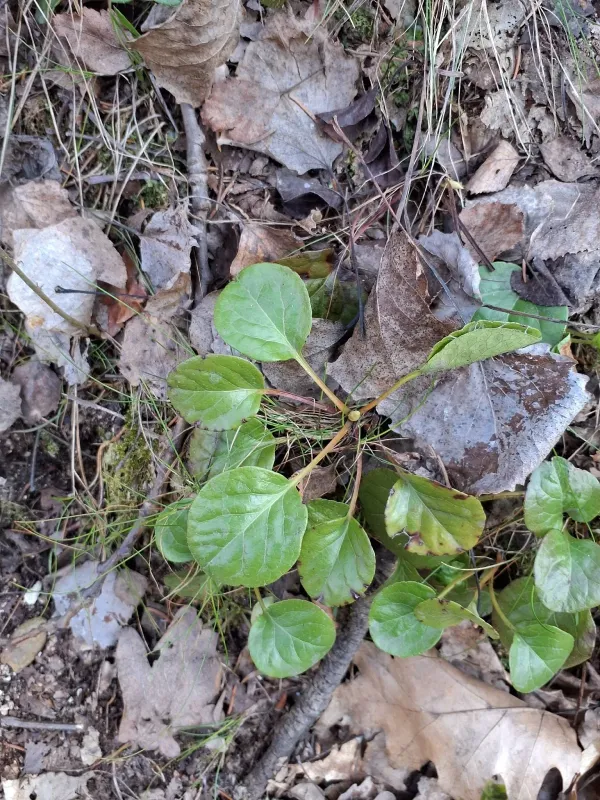
Description
Growing requirements
Round-leaved wintergreen (Pyrola rotundifolia) is a herbaceous perennial belonging to the family Ericaceae. It is native to various regions across the temperate zones of Europe and Asia.
This species is typically found in coniferous and mixed forests, where it thrives in shaded and moist environments with organic-rich acidic soils.
A crucial biological feature of this plant is its obligate symbiosis with specific mycorrhizal fungi, which significantly influences its growth and nutrient uptake in natural habitats.
Environmental conditions require consistent soil moisture and a cool microclimate, making it highly unsuitable for standard open-field agricultural practices.
Due to these specialized ecological requirements, agricultural production is not commercially viable, and the plant is primarily harvested from wild populations under sustainable management.
Main diseases and pests
Major threats to Pyrola rotundifolia include deforestation, habitat destruction, and changes in local hydrological conditions that affect the forest floor environment.
In wet and stagnant conditions, the plant is susceptible to various fungal pathogens that can cause leaf spotting and decay, affecting overall plant health.
Insects such as aphids and specialized mites often feed on the foliage, which can stunt development if the infestation reaches significant levels during the growth cycle.
Soil-borne pests and root-damaging larvae pose a latent risk to the plant, potentially causing decline in dense forest patches if left unmanaged.
Conservation efforts are vital to protect the genetic diversity and natural populations of this species against over-harvesting and environmental degradation.
Harvesting
The plant has a long history of traditional medicinal use, with the leaves and aerial parts being the primary components harvested for their therapeutic compounds.
Harvesting is typically performed during the flowering stage in early to mid-summer, when the concentration of phytochemicals is at its peak level.
Care must be taken during collection to use sharp tools for harvesting the above-ground biomass, ensuring the root system remains undisturbed to support future growth.
Drying must be conducted in shaded, well-ventilated areas or specialized ovens at low temperatures to preserve the delicate chemical composition of the plant tissues.
Properly dried material should be packed in airtight containers and stored in a cool, dark environment to maintain its potency for medicinal preparations.