
Pyrola norvegica
Pyrola norvegica
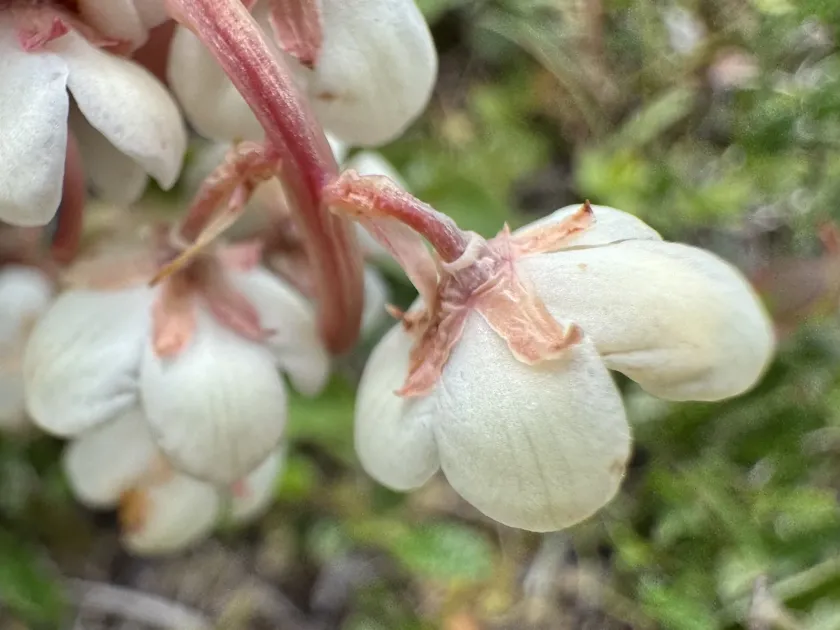
Description
Growing requirements
Pyrola norvegica, commonly known as the Norwegian wintergreen, is a perennial herbaceous plant belonging to the Ericaceae family. It is a highly specialized species adapted to the harsh environmental conditions of Arctic and subarctic regions of Northern Europe.
The botanical characteristics of this plant include a rosette of evergreen leaves and a raceme of bell-shaped flowers. The species is well-adapted to low-light environments, efficiently conducting photosynthesis even during the short growing seasons characteristic of its native habitat.
Regarding cultivation requirements, the plant necessitates acidic, well-draining soils rich in organic matter. Its survival depends heavily on the symbiotic relationship with mycorrhizal fungi in the soil, which facilitates the uptake of essential nutrients in nutrient-poor environments.
The plant thrives in cool and humid climates. It is typically found in coniferous forests or open tundra-like landscapes, where constant moisture and moderate protection from extreme temperature fluctuations are provided by the moss layer and snow cover.
While not a traditional agricultural crop, Pyrola norvegica has historical significance in botanical studies and is valued for its role in maintaining ecosystem biodiversity. It is not generally produced for large-scale economic gain, remaining a specialized species of interest for conservationists.
Main diseases and pests
Threats to Pyrola norvegica are primarily linked to the disruption of its natural habitat. Changes in soil moisture levels, often caused by land development or climate change, can severely impact the plant's delicate root system and its essential mycorrhizal connections.
Fungal pathogens represent a major threat when the plant is grown under improper conditions. Excessive soil moisture combined with poor air circulation typically leads to root rot or foliage diseases that can rapidly diminish the health of a local population.
Herbivorous insects can cause damage to the leaves during the summer season. While mature plants are generally resilient, significant defoliation can reduce the plant's energy reserves, making it less capable of surviving the following harsh winter period.
Human activities, including habitat fragmentation and trampling, pose a continuous threat to wild stands of the Norwegian wintergreen. Due to its slow growth rate, the species is unable to quickly recover from physical damage to its vegetative structures.
Management of these threats in protected areas involves regular monitoring of soil acidity and moisture parameters. Proactive measures to preserve the natural moss layer and surrounding organic vegetation are crucial to preventing the decline of this unique species.