
Lesser wintergreen
Pyrola minor
Description
Growing requirements
Lesser wintergreen (Pyrola minor) is a perennial herbaceous plant belonging to the Ericaceae family. It is a shade-tolerant species typically found in the understory of coniferous and deciduous forests.
The plant has specific ecological requirements, thriving in cool, moist, and well-drained soils rich in organic leaf litter. It relies heavily on mycorrhizal associations, which are essential for its nutrient uptake in forest soil environments.
Regarding climate, this species is highly adapted to temperate and boreal regions. It prefers sheltered habitats where the microclimate provides protection from extreme wind and excessive direct solar radiation.
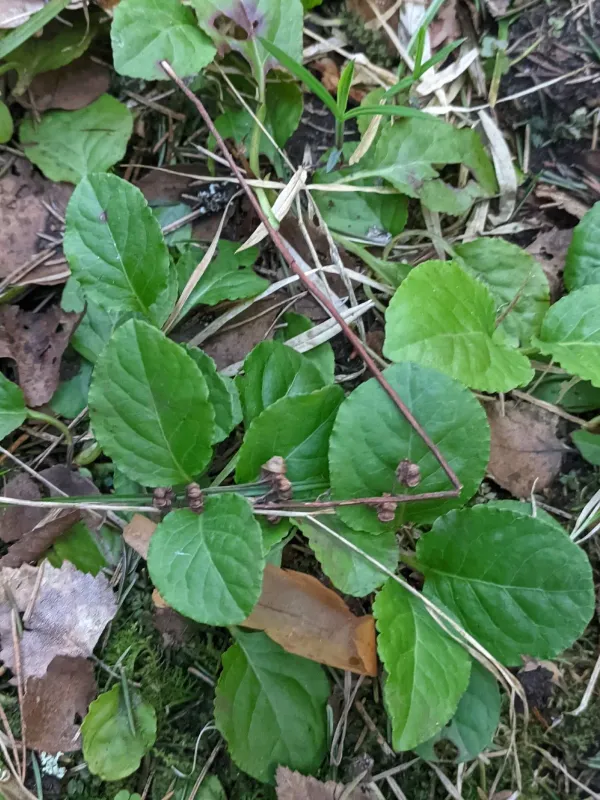
Botanically, it is characterized by a basal rosette of evergreen leaves and small, nodding white or pinkish flowers arranged in a raceme. These structures allow the plant to efficiently utilize short growing seasons.
While not a traditional agricultural commodity, lesser wintergreen is valued for its pharmacological potential. Its cultivation remains experimental, as it requires highly specific forest-like conditions to thrive outside its natural range.
Main diseases and pests
The primary threat to the stability of Pyrola minor populations is the destruction of natural forest habitats through logging and land-use changes, which disrupt the necessary micro-climatic balance.
Fungal pathogens represent a significant risk, especially in environments with poor air circulation or excessive soil moisture, which can lead to leaf spots and stem decay.
Insect pests, including various beetles and leaf-miners, can cause damage to the foliage, thereby weakening the plant and reducing its ability to accumulate nutrients for the next season.
The encroachment of invasive species into forest understories poses a competitive threat, as faster-growing weeds can easily outcompete the slower-growing and specialized wintergreen.
Climate change, manifesting as rising summer temperatures and prolonged drought, threatens to desiccate the forest floor, making it increasingly hostile for this moisture-dependent species.