
Purple toadflax
Linaria purpurea (L.) Mill.
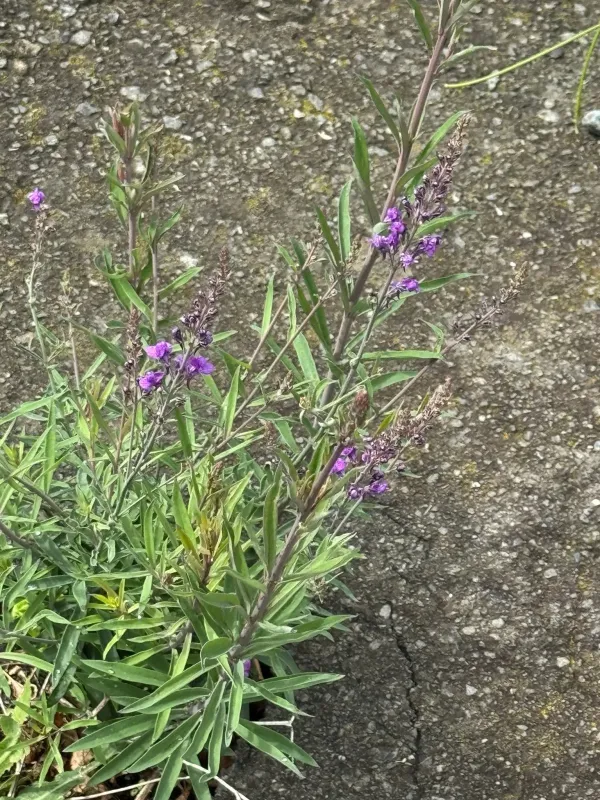
Description
Sowing dates
Purple toadflax (Linaria purpurea) is a perennial herbaceous plant belonging to the Plantaginaceae family. Originally from the Mediterranean region, it is widely valued in agriculture and horticulture for its adaptability and utility as a melliferous crop.
Sowing should be carried out in early spring once soil temperatures have stabilized. As the seeds are extremely small, they require very shallow sowing, barely covered with a fine layer of substrate, to ensure sufficient light exposure for germination.
The plant demonstrates significant self-seeding capability, which should be managed by thinning seedlings if a specific plant density is required. For controlled propagation, starting seeds indoors in late winter is a standard agricultural practice.
A plant density of approximately 10 to 12 plants per square meter is recommended to optimize growth. This spacing allows for adequate airflow, which is essential for maintaining plant vigor and preventing fungal infections.
Transplanting into the field occurs after the danger of late spring frosts has passed. The young plants establish quickly in well-prepared, loose soil, provided they are initially supported with light irrigation until they are fully rooted.
Growing requirements
Linaria purpurea thrives in full sun, which is critical for maximizing flower production and maintaining the structural integrity of its vertical stems. Shady environments lead to etiolated, weak growth that often requires additional support.
The crop is highly tolerant of poor, dry, and rocky soil conditions, making it an excellent candidate for marginal land development. Avoid high-nitrogen fertilizers, as they encourage succulent vegetative growth at the expense of floral development.
Drainage is the most important soil requirement, as the species is highly susceptible to root rot in waterlogged conditions. Incorporating gravel or coarse sand into the growing medium is a standard technique to improve soil permeability.
In terms of climate, the plant is remarkably hardy and drought-tolerant once established. It rarely requires supplemental irrigation, except during prolonged periods of extreme drought, making it an efficient water-wise crop.
Cold tolerance is sufficient for temperate climates, with the plant surviving temperatures down to -20°C. In areas prone to harsh, snowless winters, providing a light mulch layer around the base of the plant is recommended for protection.
Main diseases and pests
Fungal pathogens represent the primary threat to Linaria purpurea, particularly when humidity is high and soil drainage is poor. Root rot can manifest rapidly if moisture management practices are neglected during the growing season.
Powdery mildew may occur on foliage during humid summer months, appearing as a white, dusty layer. Management includes improving air circulation around the plants and, in severe cases, applying appropriate sulfur-based fungicides.
Pests such as aphids may congregate on young, tender growth, causing distortion of the tips. Integrated pest management strategies, including the encouragement of natural predators like ladybugs, are typically sufficient to keep populations in check.
Weed competition during the early establishment phase is a significant factor in crop development. Manual weeding or the use of inorganic mulch, such as pea gravel, is recommended to minimize labor while protecting the plant base.
Post-flowering management involves pruning spent stems. This practice not only serves as a sanitary measure to reduce the risk of disease transmission but also encourages the plant to maintain a neat appearance and potentially reflower.