
Moroccan toadflax
Linaria maroccana Hook. f.
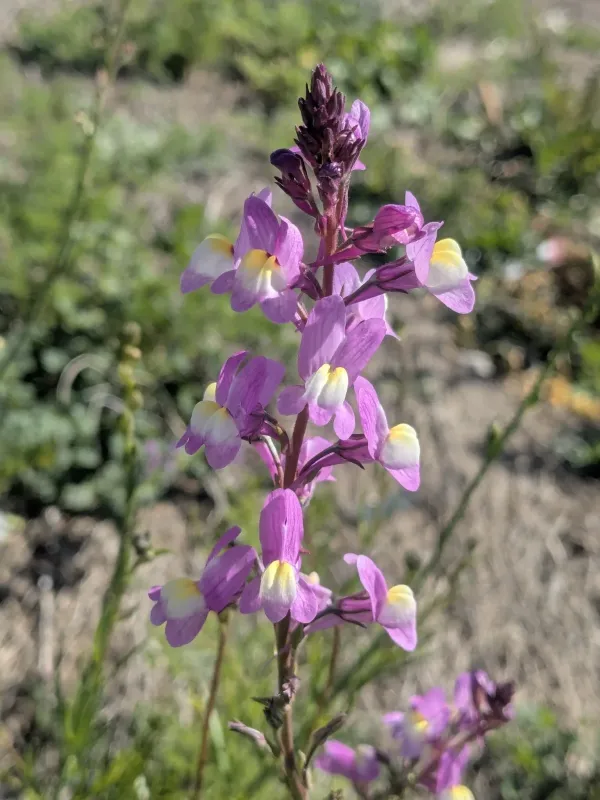
Description
Sowing dates
Moroccan toadflax is an annual plant widely grown for its vibrant, snapdragon-like flowers. Seeds can be sown indoors in trays starting in early spring.
For direct sowing, wait until the soil warms up in late April or May, as the plant prefers stable temperatures for rapid germination.
Seeds are extremely tiny and should be sown on the surface of the soil. Light pressure ensures good contact with the substrate without burying them.
Thinning the seedlings is essential to provide enough space for each plant, which promotes bushier growth and a longer flowering period.
Spacing plants about 15–20 cm apart in beds allows for optimal airflow, which is critical for preventing moisture-related issues during the summer.
Growing requirements
Belonging to the Plantaginaceae family, this species thrives in its native Moroccan climate, which is characterized by sunny and relatively dry conditions.
Full sun is necessary for the plant to reach its full potential. Even partial shade can lead to leggy stems and a significant reduction in the number of blooms.
Well-draining, sandy, or loamy soil is ideal for Linaria maroccana. Heavy clay soils that retain moisture should be amended to prevent root rot.
While the plant is somewhat drought-tolerant once established, providing regular water during dry spells will keep the plants looking lush and vibrant.
The plant is not a heavy feeder, so excessive fertilizing should be avoided. A balanced, low-concentration fertilizer is sufficient for a healthy season.
Main diseases and pests
High humidity and poor drainage are the primary causes of fungal diseases in Moroccan toadflax, particularly powdery mildew and stem rot.
Pests like aphids can be problematic, especially in the early stages of growth, by clustering on the tender buds and young leaves of the plants.
To keep the garden healthy, ensure that the site has good drainage and sufficient spacing between plants to avoid the buildup of humidity.
If an infestation occurs, manual removal or the application of appropriate insecticides can manage the pest population effectively and save the plants.
Sanitation is key; removing dead or diseased plant material promptly helps in controlling the spread of infections throughout the growing season.