
Linaria bipartita
Linaria bipartita (Vent.) Willd.
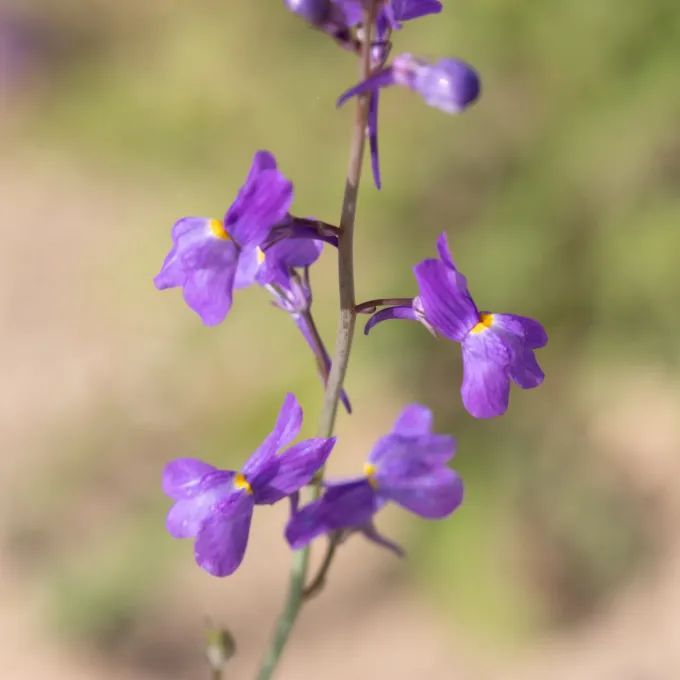
Description
Sowing dates
Linaria bipartita, commonly known as clovenlip toadflax, belongs to the Plantaginaceae family. Seeds are typically sown directly into prepared garden beds in early spring once the risk of severe frost has passed.
For gardeners looking for an early start, sowing in greenhouse trays during late winter is highly recommended. The seeds are small and should be pressed lightly into the soil surface without covering them completely.
Germination occurs best in warm, bright conditions. Once the seedlings reach a manageable size, they are transplanted into individual pots to foster a strong and healthy root system before field planting.
The hardening-off process is essential before moving the plants outdoors to ensure they can withstand varying weather conditions in the field.
Spacing the plants about 20 centimeters apart encourages lateral branching and results in a fuller, more aesthetically pleasing floral display during the summer.
Growing requirements
This species thrives in full sun exposure. While it can tolerate partial shade, maximum flowering intensity is achieved only in bright, well-lit locations.
Well-drained, sandy-loam soils are ideal for Linaria bipartita. It does not tolerate waterlogged ground, which can lead to rapid decay of the delicate root structure.
During the growing season, moderate irrigation is sufficient. It is vital to let the top layer of soil dry out slightly between watering sessions to maintain plant vigor.
Fertilization should be handled with care; excessive nitrogen can lead to exuberant foliage growth at the expense of flower production, so a balanced fertilizer is preferred.
Adding organic compost during soil preparation improves soil structure and nutrient availability, promoting long-lasting and prolific blooming.
Main diseases and pests
Powdery mildew is the most common fungal issue, particularly when plants are grown in overcrowded conditions with poor air circulation during humid periods.
Aphids can be a significant pest, clustering on flower stems and buds. Regular monitoring helps detect infestations early before they cause irreparable damage to the buds.
Integrated pest management, including the use of neem oil or insecticidal soaps, is often effective for smaller infestations without harming beneficial insects.
Maintaining proper hygiene in the garden, including removing dead leaves and weeds, significantly reduces the likelihood of both fungal and pest outbreaks.
If chemical interventions are necessary, choosing systemic fungicides or insecticides that are safe for the surrounding environment is a priority for sustainable management.