
Dalmatian toadflax
Linaria dalmatica (L.) Mill.
Description
Growing requirements
Dalmatian toadflax (Linaria dalmatica) is a perennial herbaceous plant belonging to the Plantaginaceae family. It is widely recognized as a significant agricultural weed due to its aggressive growth habit and extensive root system, which allows it to thrive in diverse environments.
Native to the Mediterranean and Southwestern Asia, this species has successfully invaded various ecosystems globally. It is particularly adept at establishing itself in disturbed areas, including roadsides, pastures, and unmanaged agricultural fields.
The plant features a complex root system composed of deep vertical taproots and creeping horizontal rhizomes. This structural arrangement makes the species incredibly resilient to mechanical disturbance, as root fragments can sprout to produce new vegetative colonies.
Dalmatian toadflax prefers well-drained, sunny habitats. It is highly adaptable to a wide range of soil textures, from light sandy loams to heavy clays, and displays remarkable tolerance to drought conditions, which often gives it a competitive edge over native crops.
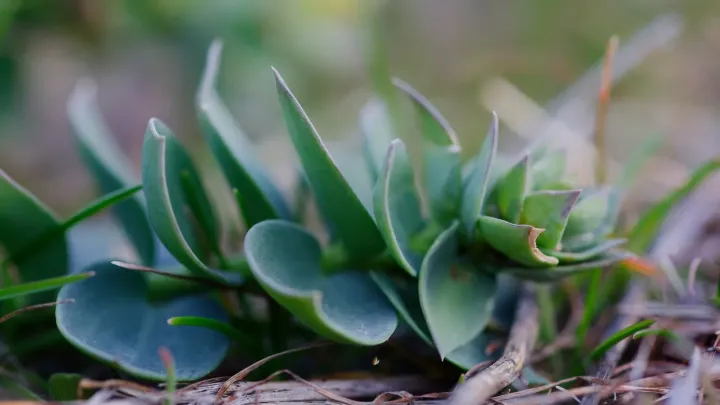
The foliage is characterized by a waxy, glaucous coating that serves as a protective mechanism against environmental stress. This cuticle layer also influences the efficiency of herbicide applications, often necessitating the addition of surfactants for better absorption.
Main diseases and pests
Various fungal pathogens and insect herbivores have been identified as potential biological control agents. Specifically, certain types of weevils and rust fungi have shown potential in reducing the vitality and reproductive capacity of the weed in natural settings.
Common agricultural pests do not typically pose a threat to the plant itself, as it has evolved defensive mechanisms, including the production of chemical compounds that act as natural deterrents against many common insects and herbivores.
Mechanical control methods such as mowing are generally ineffective as a standalone strategy. Cutting the stems may temporarily stop seed production, but the deep root system allows for rapid regrowth, often resulting in denser stands than before the treatment.
Integrated Weed Management (IWM) is essential for successful control. This approach involves a combination of targeted herbicide applications during the rosette stage and the introduction of competitive, high-vigor crops to shade out the weed.
Effective management requires long-term commitment and persistence. By exhausting the carbohydrate reserves stored in the roots through repeated treatments, it is possible to significantly diminish the density of the infestation over several growing seasons.