
Linaria incarnata
Linaria incarnata (Vent.) Spreng.
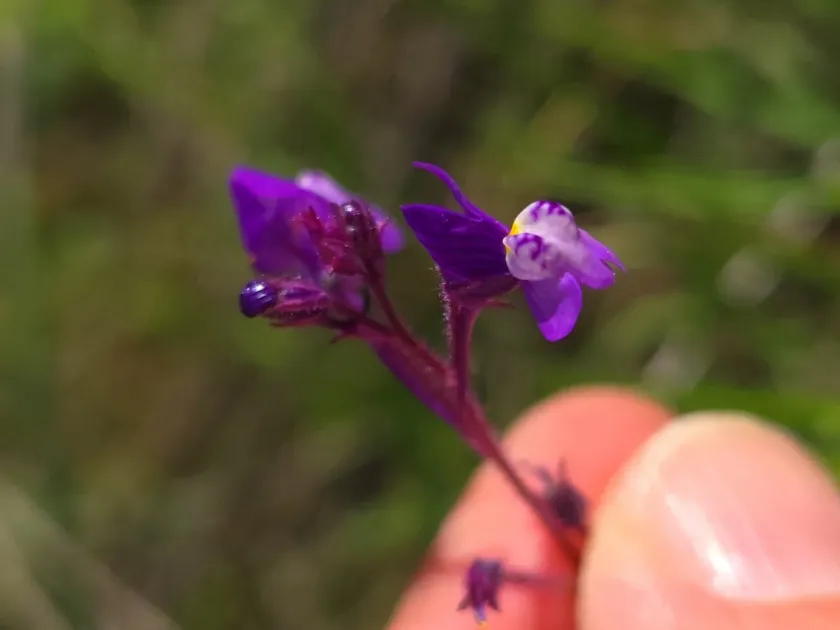
Description
Growing requirements
Linaria incarnata, a member of the Plantaginaceae family, is a perennial herbaceous plant known for its adaptation to arid climates. It possesses unique botanical characteristics that allow it to thrive in nutrient-poor soils where other crops struggle.
The origin of this species is linked to the Mediterranean and Iberian regions, where it has evolved to survive in dry, rocky, and sandy terrains. Its root system is highly efficient at extracting moisture even under extreme environmental stress.
The plant demands high levels of solar radiation and prefers well-drained soil substrates. It is particularly sensitive to waterlogging, which often leads to root decay, necessitating the selection of slopes or elevated areas for cultivation.
In terms of climate, the crop performs best in environments with distinct temperature shifts. While it is hardy, excessive humidity remains a limiting factor that can significantly impact the survival rate of young seedlings.
The utilization of this species is primarily focused on ornamental horticulture and potential pharmacological applications. The plant serves as a source of diverse bioactive compounds, making it a subject of interest for modern agricultural researchers.
Main diseases and pests
Fungal infections, particularly powdery mildew and various root rots, represent the most significant threat to Linaria incarnata crops. These diseases are largely triggered by excessive soil moisture and poor air circulation within the canopy.
Pest pressures primarily include lepidopteran larvae that target succulent shoots and foliage. Maintaining a healthy balance in the field involves integrated pest management strategies to avoid chemical reliance whenever possible.
Weed management is a crucial step in preventing disease transmission, as many weeds act as alternative hosts for common plant pathogens. Keeping the cultivation area clean is essential for ensuring the vigor of the main crop.
Applying agricultural monitoring allows for early detection of pest or disease outbreaks, facilitating targeted interventions. This approach is highly effective in maintaining the overall health and productivity of the plant stand.
Proper soil preparation, including adequate drainage installation, is the most effective preventative measure against root-related diseases. By controlling the microclimate, growers can significantly reduce the need for aggressive chemical treatments.