
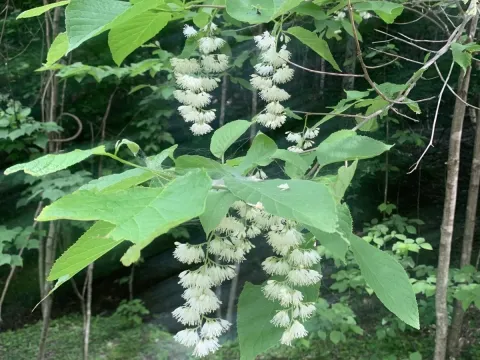
Pterostyrax
Pterostyrax
Pterostyrax propagation through seeds requires a lengthy stratification period of three to four months at consistently cool, positive temperatures.
What the section contains


Pterostyrax
Sowing should ideally occur in the autumn, allowing the seeds to undergo natural environmental cycles necessary for successful germination by spring.
Vegetative propagation is commonly performed using semi-hardwood cuttings taken during the peak of the growing season, typically in early summer.
Cuttings require a specialized rooting medium consisting of a mix of peat and perlite to maintain optimal moisture levels for root development.
Once rooted, young specimens should be hardened off before being transplanted into their permanent garden location during the following spring season.
Belonging to the Styracaceae family, Pterostyrax is native to the forests of East Asia and thrives in sheltered, partially shaded environmental conditions.
The plant demands fertile, well-draining soil that is rich in organic matter and maintains a slightly acidic to neutral chemical balance.
Regular irrigation is essential, especially during the establishment phase, though drainage must be sufficient to prevent root rot in heavier soil types.
Wind protection is a crucial factor for site selection, as strong winds can cause physical damage to the delicate foliage and flowering clusters.
Light pruning is recommended to maintain the tree's shape, which should be conducted immediately after the flowering period concludes in the summer.
Fungal pathogens represent the primary threat to the health of the plant, often manifesting as leaf spots or infections due to poor air circulation.
Powdery mildew is a common issue when humidity remains high and the plant is situated in a location without adequate airflow between branches.
Pests such as aphids and spider mites can colonize the foliage, requiring timely intervention with appropriate systemic or contact insecticides.
Maintaining proper hygiene by clearing fallen debris around the base of the tree helps reduce the overwintering population of various garden pests.
Balanced fertilization and consistent watering are key strategies to enhance the plant's natural resistance against environmental stressors and pests.