
Prosopis torquata
Prosopis torquata (Cav. ex Lag.) DC.
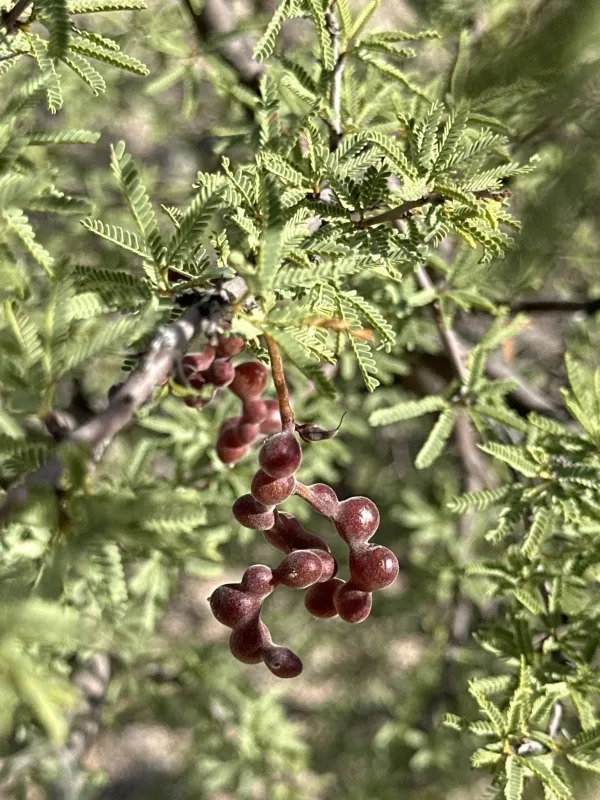
Description
Growing requirements
Prosopis torquata is a shrub species belonging to the Fabaceae family. Native to the arid regions of South America, primarily Argentina, it has evolved to thrive in environments with significant water scarcity.
The plant exhibits remarkable adaptation to extreme climates. It is frequently found in open, dry woodlands where it plays a key role in the local ecosystem as a resilient perennial species.
Regarding soil requirements, Prosopis torquata prefers well-drained sandy or loamy textures. It possesses high salinity tolerance, which allows it to be utilized for the reclamation of degraded and saline-alkali lands.
The botanical architecture includes a deep root system that anchors the plant and allows it to access groundwater during severe droughts. It is highly photophilous and requires full sun exposure to reach its full development potential.
Climatic conditions for this culture should favor warm, dry growing seasons. While it survives extreme heat, it is generally frost-sensitive in its early stages of life, requiring stable temperatures above freezing.
Yield
The primary agricultural use of Prosopis torquata involves the collection of its pods, which serve as a nutritious fodder supplement for livestock, especially during the dry season when forage is scarce.
The wood of this species is highly valued for its density and combustion qualities. It is commonly utilized as an efficient source of fuel in regions where alternative energy sources are unavailable.
As a legume, it contributes to soil fertility through nitrogen fixation. Integrating this plant into agroforestry systems can significantly improve the quality of poor soils over a long-term cycle.
Harvesting of the pods is usually conducted manually once they reach maturity. The yield potential is heavily influenced by moisture levels in the pre-flowering and fruit-setting stages of development.
Beyond animal fodder, the plant serves as a natural windbreak. By reducing wind speed at ground level, it effectively mitigates soil erosion and protects more sensitive surrounding crops.
Main diseases and pests
Seed-boring insects, particularly bruchid beetles, represent a major threat to the yield of Prosopis torquata. These pests can infest the pods, significantly reducing the viability of the harvested seed lot.
Fungal diseases related to high humidity or standing water are significant risks for this species. Poor drainage leads to root rot, which is often fatal for mature plants in cultivated settings.
Uncontrolled grazing by livestock poses a substantial threat to young seedlings. Effective physical protection or fencing is necessary until the plant develops sufficient woody tissue to resist browsing.
Weed competition during the establishment phase is a critical factor. The slow initial growth rate of the plant means it requires active management and periodic cleaning of the surrounding area.
Environmental stress caused by sudden shifts in the water table can trigger dieback. Consistent management of the site's hydrological conditions is essential to maintain a healthy plantation.