
Prosopis sericantha
Prosopis sericantha Gillies ex Hook. & Arn.
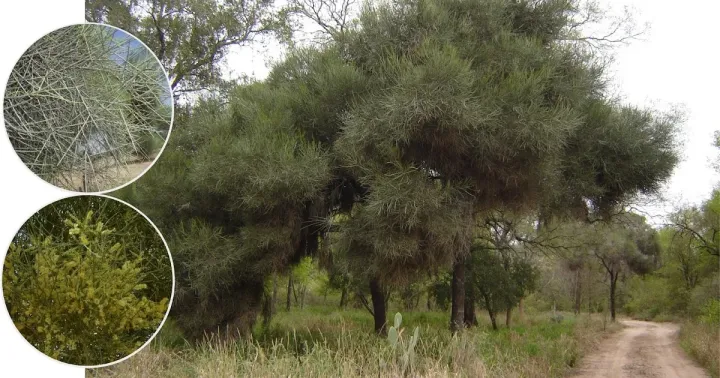
Description
Growing requirements
Prosopis sericantha is a hardy perennial shrub belonging to the Fabaceae family. This species is highly valued for its exceptional ability to survive in arid and semi-arid environments, making it a critical subject for agricultural research in dry zones.
Originating from the arid landscapes of Argentina, this plant is naturally adapted to nutrient-poor, sandy, or rocky soils. It possesses a deep taproot system, which is a structural adaptation that allows the plant to access deep-seated water reserves in harsh climates.
In terms of climate requirements, Prosopis sericantha thrives under full sunlight and high temperatures. It is characterized by its significant drought tolerance, which is essential for survival in its native regions where rainfall is both scarce and highly unpredictable.
The plant acts as an important ecological stabilizer. By forming symbiotic relationships with nitrogen-fixing bacteria, it helps enrich the soil with organic nitrogen, effectively acting as a natural fertilizer in depleted sandy environments.
Agricultural use of this crop is primarily focused on land reclamation, preventing wind erosion, and stabilizing moving dunes. It is also explored as a potential resource for fodder in extreme conditions where conventional forage crops are unable to sustain production.
Main diseases and pests
The crop is susceptible to specific leaf-eating insects that can hamper photosynthesis. Regular monitoring of the foliage density is recommended to detect early signs of infestation and prevent extensive damage to the plant's health.
Root rot, often caused by pathogenic fungi such as Fusarium, can be a major threat if the soil drainage is inadequate. Ensuring proper drainage is the most effective way to prevent the onset and spread of these subterranean diseases.
Seed-feeding beetles represent another significant challenge, as they can decimate the seed crop before it reaches full maturity. Careful management of seed production areas is necessary to ensure future planting material remains viable.
Bacterial wilt is a potential concern in high-density monoculture plantations. To manage this risk, it is advised to rotate this crop with unrelated species and maintain adequate space between plants to encourage airflow.
Competition from invasive weeds during the seedling stage can significantly retard the development of Prosopis sericantha. It is essential to manage weed growth during the first few years until the plant is established enough to outcompete other vegetation.