
Vinal
Prosopis ruscifolia Griseb.
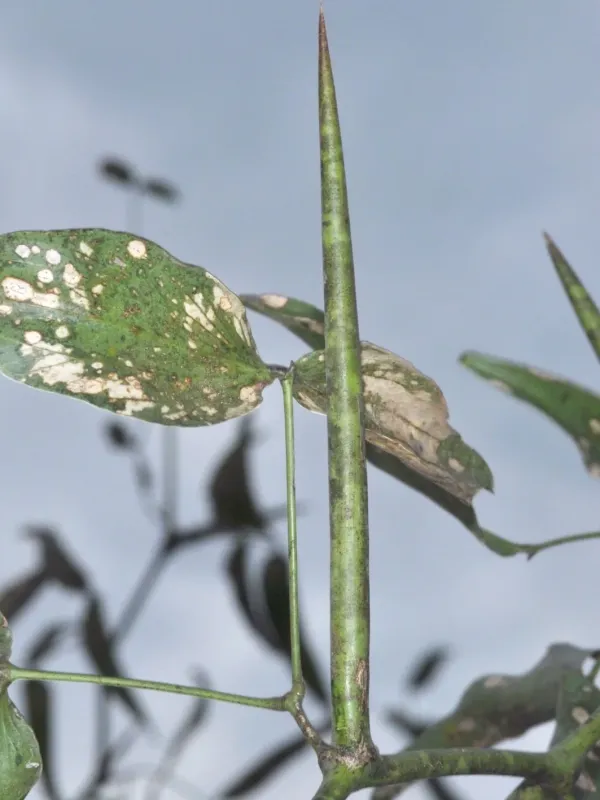
Description
Growing requirements
Prosopis ruscifolia, commonly known as Vinal, is a leguminous tree species native to the Gran Chaco region in South America. It is a resilient plant characterized by its ability to thrive in extremely harsh environmental conditions.
The plant exhibits a remarkable adaptation to various soil types, including saline and clay-rich soils. This versatility makes it an essential species for the reforestation of degraded lands in arid climates where many other agricultural crops fail to survive.
Regarding climate, Prosopis ruscifolia requires high solar radiation and is highly tolerant to heat. Its deep root system allows it to reach deep-seated water tables, providing a strategic survival mechanism during prolonged drought periods characteristic of its habitat.
The species acts as a pioneer plant in local ecosystems. It effectively manages water intake, which allows it to withstand occasional flooding, although it performs best in well-drained, sunny locations with stable seasonal cycles.
In managed agricultural settings, the species requires minimal inputs. Its natural resilience to pests and diseases simplifies farm management, allowing for sustainable cultivation practices in difficult terrain where traditional farming is not feasible.
Harvesting
The primary economic value of Prosopis ruscifolia lies in its pods, which serve as a high-energy forage for livestock. These pods are rich in sugars and proteins, making them a critical feed supplement during the dry season when pastures are exhausted.
Harvesting techniques typically involve gathering fallen pods from the ground or harvesting them from the tree before dispersal. This harvest provides a storable, nutrient-dense supplement that is vital for supporting livestock health and weight maintenance.
The timber of the Vinal tree is highly prized for its exceptional hardness, durability, and resistance to decay. It is extensively utilized in fine woodworking, flooring, and agricultural infrastructure, providing an additional income stream for farmers.
Beyond its direct products, Prosopis ruscifolia serves an important role in agroforestry by fixing atmospheric nitrogen into the soil. This natural fertilization process enhances the overall productivity of the surrounding pasture land and supports soil structure.
Successful management of the crop involves balancing density to optimize both pod yield and timber development. Due to its growth habit, controlled spacing is essential to ensure that individual trees can develop sufficient canopy for maximum seed production and health.