
Prosopis ruizlealii
Prosopis ruizlealii Burkart
Description
Growing requirements
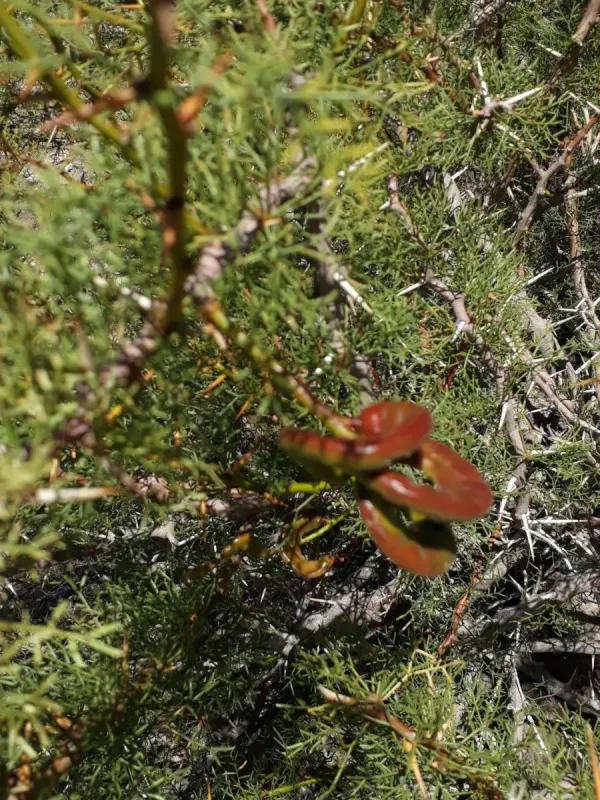
Prosopis ruizlealii is a woody perennial shrub belonging to the Fabaceae family. Native to the arid landscapes of Argentina, this species has evolved unique mechanisms to thrive in harsh, desert-like environments where other vegetation fails.
The plant demonstrates high adaptability to sandy and alluvial soils characterized by low fertility and poor water retention. Its root system, often extending several meters deep, allows it to access stable groundwater levels in arid zones.
Climatic requirements are focused on high thermal sums and significant exposure to sunlight. The species is highly tolerant to extreme temperature fluctuations between day and night, typical of its native desert habitats.
In agricultural settings, it is primarily used for windbreaks, soil stabilization, and as a low-maintenance forage source for livestock. It requires minimal irrigation, which is only necessary during the initial establishment phase of the plantation.
The cultivation of Prosopis ruizlealii is sustainable because it enriches the soil with nitrogen through its symbiotic relationship with rhizobia bacteria. This makes it an ideal candidate for integrated agroforestry projects in drylands.
Main diseases and pests
The primary biological threat to the productivity of Prosopis ruizlealii is the infestation of seed-feeding weevils, specifically from the Bruchidae family. These pests can cause severe damage to reproductive potential if left unmanaged.
Root rot pathogens, such as Phytophthora species, can pose a risk in areas with poor drainage or during unseasonably wet years. Proper soil preparation and site selection are the best preventative measures against these pathogens.
Defoliating insects can occasionally lead to loss of canopy cover. Monitoring these populations is essential, especially when plants are already under stress from drought or nutrient deficiency.
Small mammals and grazing wildlife can cause significant damage to the bark of juvenile trees. Providing protective mesh screens is a recommended practice during the first two to three years of growth.
Weed competition is particularly detrimental in the early development phase. Controlling herbaceous vegetation around the base of the plant is necessary to ensure adequate access to water and nutrients for the developing root system.