
Prosopis hassleri
Prosopis hassleri Harms
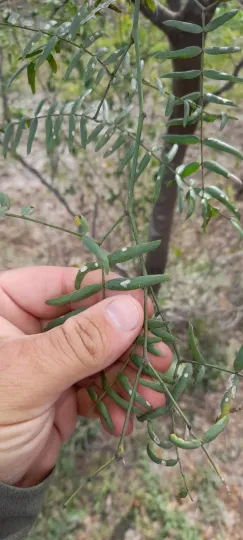
Description
Growing requirements
Prosopis hassleri is a hardy leguminous shrub or tree, naturally adapted to the arid and semi-arid conditions of its native South American range.
The plant exhibits exceptional drought tolerance, utilizing an extensive root system to reach deep water tables in regions with limited rainfall.
It thrives on a variety of soil types, including sandy, rocky, and saline soils, where it contributes to soil stabilization and nitrogen fixation.
As a heliophilic species, Prosopis hassleri requires full sun exposure for optimal vegetative growth and reproductive success.
Agricultural management is relatively low-intensity, as the species is highly resilient to local climatic stressors and requires minimal chemical inputs.
Yield
The primary agricultural value lies in the production of nutrient-rich pods that serve as a crucial fodder resource for livestock during dry seasons.
The wood is highly valued for its extreme durability and density, making it suitable for fence posts and farm infrastructure construction.
In agroforestry systems, the species is planted to prevent soil erosion and improve the nutrient profile of degraded pasture lands.
The foliage provides edible biomass for grazing animals, supporting sustainable livestock production in challenging desert environments.
Prosopis hassleri contributes to ecosystem services by sequestering carbon and providing habitat for beneficial fauna in agricultural landscapes.
Main diseases and pests
Seed-feeding beetles from the Bruchidae family represent the most significant pest risk, often causing damage to stored pod harvests.
Fungal pathogens can occasionally affect seedlings, particularly when high humidity coincides with inadequate soil drainage in nurseries.
Root system health can be compromised by excessive irrigation, which encourages the development of pathogens leading to localized dieback.
Integrated pest management strategies focus on selecting resistant genotypes and maintaining proper spacing to ensure adequate air circulation.
Sanitation practices, such as the removal of deadwood, are essential to reduce the buildup of secondary infection sources within the plantation.