
Prosopis ferox
Prosopis ferox Griseb.
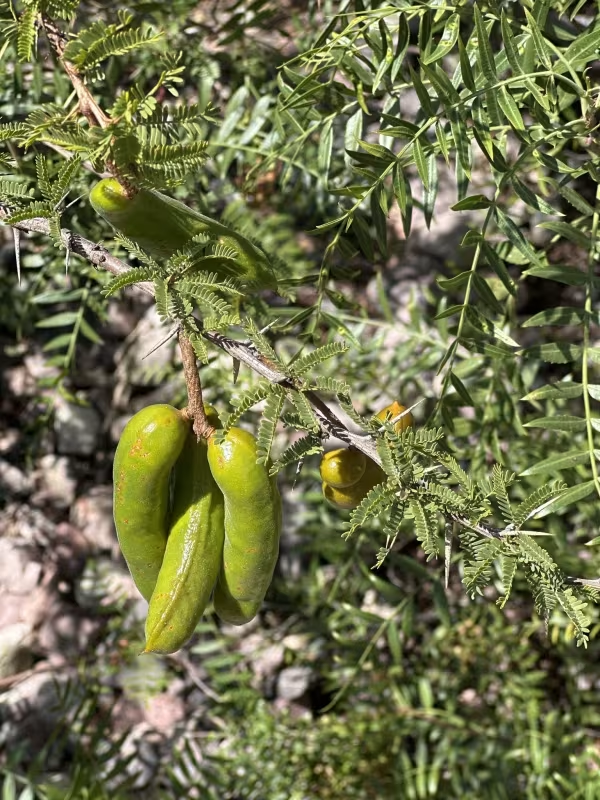
Description
Growing requirements
Prosopis ferox is a hardy woody plant belonging to the Fabaceae family, specifically adapted to the harsh environments of high-altitude deserts. It is a key species in the arid ecosystems of the Andean plateau in South America.
The native range of this species covers regions of Argentina and Bolivia. It thrives in poor, rocky, and saline soils where few other plants can survive. This tree has evolved to utilize minimal groundwater resources through a highly efficient deep-root system.
Botanically, P. ferox is characterized by its thorny branches, which protect the foliage from herbivory in sparse environments. The leaves are compound and typically small to minimize transpiration losses under intense solar radiation.
Cultivation requirements focus on selecting sites with excellent drainage. The species is highly sensitive to waterlogged conditions, which can lead to rapid decline. It does not require intensive fertilization, as its nitrogen-fixing capabilities allow it to thrive in nutrient-poor substrates.
Its primary economic role is in land reclamation and desertification control. The wood is traditionally used for fuel due to its high density, and the seed pods serve as a supplementary forage resource for livestock in remote, dry-land farming systems.
Main diseases and pests
The major physiological threats to Prosopis ferox are fungal pathogens affecting the root system, typically triggered by improper soil moisture management. High levels of humidity around the roots promote decay and weaken the plant structure.
Seed-feeding beetles are considered the most significant biological pests. These insects can devastate seed crops, hindering natural regeneration and reducing the viability of harvested seeds for propagation in forestry programs.
Sucking insects, such as aphids, can infest younger branches, especially during the growth season. These pests extract nutrients and may act as vectors for various diseases, leading to stunted growth or branch dieback in sensitive environmental pockets.
Integrated Pest Management (IPM) strategies are recommended for managing these threats in controlled environments. These include monitoring population thresholds of insects and ensuring that environmental conditions, such as pH and drainage, are optimal for the species.
Maintaining a balanced ecosystem around the plantings is crucial. The presence of natural predators and biological controllers significantly reduces the reliance on chemical interventions, ensuring the long-term sustainability of Prosopis ferox populations.