
Prosopis elata
Prosopis elata (Burkart) Burkart
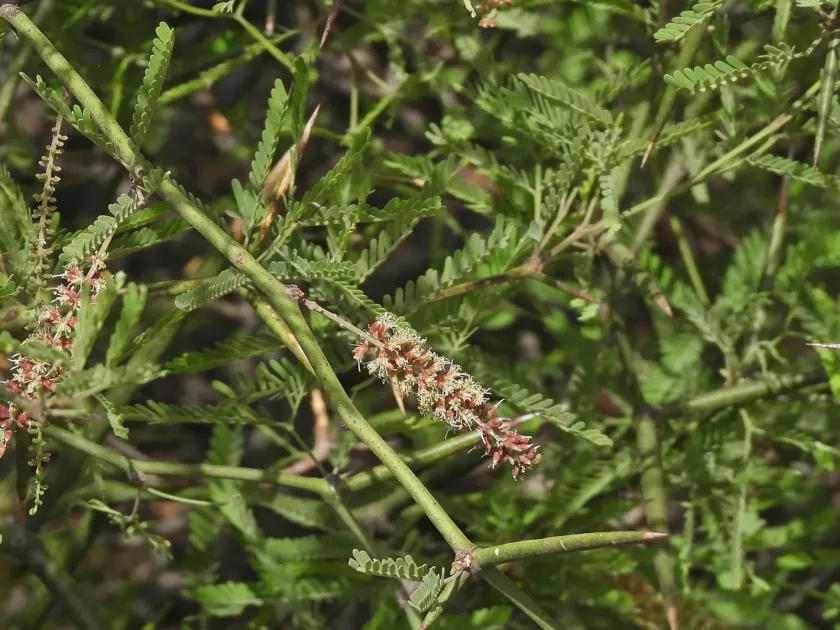
Description
Growing requirements
Prosopis elata is a woody plant belonging to the Fabaceae family, subfamily Mimosoideae. This species is a characteristic representative of xerophytic flora, perfectly adapted to the harsh conditions of semi-deserts and arid regions.
The plant is native to the dry regions of South America, specifically in northern Argentina. The crop thrives in environments marked by severe moisture deficits, high temperatures, and intense solar radiation.
The species has specific soil substrate requirements. It prefers well-drained, sandy, or loamy soils that allow for rapid water infiltration, as moisture stagnation in the root zone is detrimental to this species.
Biologically, the plant exhibits high tolerance to soil salinity and can develop a robust root system reaching significant depths. This enables the tree to access groundwater during periods of extreme drought.
Cultivation techniques require strict adherence to temperature and light conditions. In agricultural settings, the tree requires open, sunny locations with protection from strong, cold winds that can damage young shoots.
Yield
The commercial utility of the species is focused primarily on timber production and fruit harvesting. The fruits of Prosopis elata are rich in sugars and proteins, making them a valuable raw material for animal feed supplements.
The timber of this tree is known for its high density and strength, which determines its use in furniture manufacturing and construction. It is easy to process and possesses a distinct, decorative grain pattern.
In its natural habitat, fruit yield depends on annual precipitation and the age of the tree. Mature specimens are capable of producing stable yields of pods over long periods with minimal maintenance.
The plant's role as a honey plant is also a significant factor. Its flowers attract a large number of pollinators, contributing to increased biodiversity in the areas where the crop is grown.
A promising application is the use of this crop for desertification control. Due to its ability to stabilize shifting sands, the tree is frequently planted as windbreaks in arid regions.
Main diseases and pests
The primary threats to plantations are specific fungal diseases of the root system, often caused by improper irrigation practices. Excessive soil moisture triggers root rot, which can spread rapidly if not managed.
Among pests, the larvae of seed beetles (Bruchidae) are the most dangerous, as they damage seeds developing within the pods. This significantly reduces seed viability and their suitability for further use.
During exceptionally dry years, plantations may suffer from spider mite infestations, which extract sap from young leaves, thereby reducing the plant's overall photosynthetic activity and growth rate.
Disease prevention involves controlling planting density and ensuring good canopy ventilation. It is essential to avoid overly dense stands to minimize the risk of pathogen spread.
Young saplings are also susceptible to rodent damage, particularly to the bark during the winter months. The use of protective mesh or special fencing is a mandatory practice during the initial years of the crop's establishment.