
Hybrid mesquite
Prosopis chilensis x Prosopis velutina
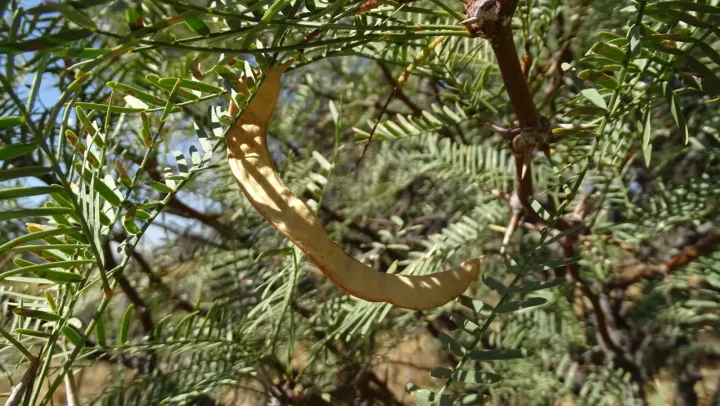
Description
Growing requirements
The hybrid mesquite (Prosopis chilensis x Prosopis velutina) is a robust member of the Fabaceae family, resulting from the cross-breeding of the Chilean and velvet mesquite species. This hybrid was specifically developed to thrive in arid and semi-arid environments where water availability is minimal and temperatures are consistently high.
The plant exhibits exceptional drought tolerance due to its deep taproot system, which seeks out moisture at significant depths. This structural advantage allows the hybrid to maintain healthy growth in regions where rainfall is erratic and seasonal heat waves are intense.
Regarding soil preferences, the hybrid requires well-drained, porous soils such as sandy loams or gravelly mixtures. It performs poorly in heavy, clay-rich soils that retain moisture for too long, as excess water at the root zone leads to rapid onset of fungal decay and systemic health failure.
As a light-demanding crop, the hybrid mesquite must be planted in full sun to maximize photosynthetic efficiency. In agroforestry settings, spacing is critical; overcrowding will lead to stunted growth and reduced fruit yield, as the canopy requires sufficient space to spread and reach maturity.
The trees are natural nitrogen fixers, contributing to soil fertility through symbiosis with soil-borne bacteria. This biological feature makes the hybrid a highly sustainable option for land rehabilitation and reforestation projects in degraded arid landscapes.
Yield
The hybrid mesquite is highly valued for its versatile utility, primarily serving as a source of high-quality hardwood and nutritious livestock feed. The dense, dark-colored wood is popular for fine furniture manufacturing and high-end cabinetry due to its durability and resistance to warping.
Pods produced by the tree are rich in carbohydrates and proteins, making them an excellent supplemental forage for livestock. During peak drought periods when traditional grasses are unavailable, these pods provide a critical energy source that helps maintain cattle body condition.
Apiculture is another major avenue for economic exploitation, as the tree provides a reliable and abundant nectar source. Mesquite honey is a prized specialty product known for its distinct mild flavor, which fetches a premium price in health food markets globally.
Harvesting the pods requires careful timing to ensure maximum nutritional content. Once dried on the tree, they can be mechanically harvested and ground into meal for use in animal feed rations or artisanal food products for human consumption.
With proper management of stand density, plantations can yield consistent biomass over several decades. Regular pruning not only shapes the trees for easier harvesting but also stimulates the production of vigorous new branches, thereby increasing overall yield potential.
Main diseases and pests
The most significant threat to harvest quality comes from seed-infesting beetles of the Bruchidae family. These pests can destroy a large portion of the seed crop if stored incorrectly, necessitating proper drying and pest management protocols after collection.
Root rot, driven by stagnant water, is the primary pathological risk to the tree's health. Maintaining proper drainage and avoiding excessive irrigation in the plantation site is the most effective preventative measure against this type of decline.
Young plants are particularly vulnerable to grazing pressure from herbivores, such as deer or rabbits, which can strip bark and destroy terminal shoots. Protecting young stands with wire mesh or individual tree guards is often necessary until the trunk gains sufficient size and thickness.
Weed control is essential during the establishment phase, as herbaceous competition can drastically limit the development of young seedlings. Mulching around the base helps retain moisture while simultaneously suppressing weed germination near the root zone.
While the hybrid is naturally resilient, periodic inspection for borer insects is advised. These pests can compromise the structural integrity of the wood if an infestation takes hold, though a well-maintained, vigorous tree is usually capable of resisting minor outbreaks.