
Polystichum tripteron
Polystichum tripteron
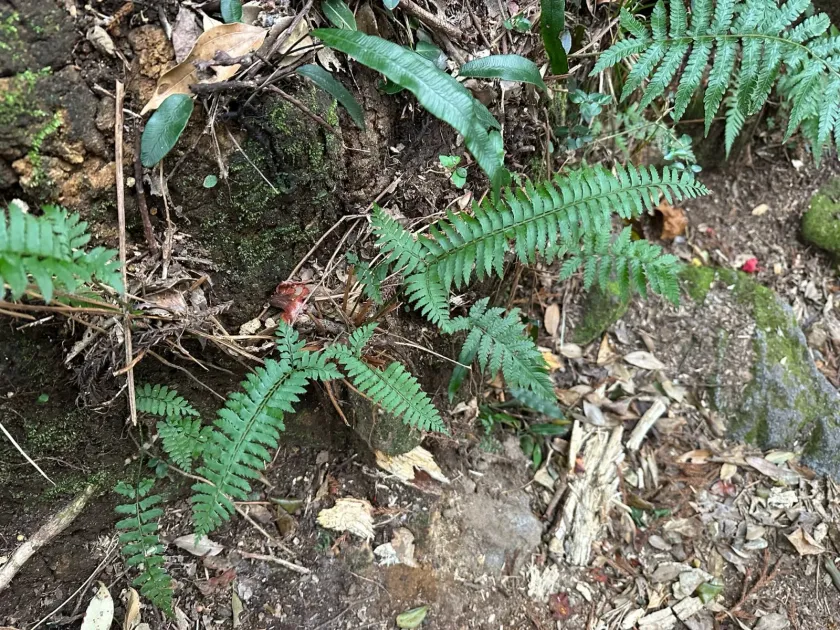
Description
Growing requirements
Polystichum tripteron is a perennial herbaceous plant belonging to the Dryopteridaceae family. Native to the temperate regions of East Asia, including parts of Russia, Japan, and Korea, this fern thrives in the shaded and moist understories of deciduous and mixed forests.
For cultivation, this species requires rich, humus-dense soil that offers excellent drainage. It is essential to provide a substrate that retains moisture without becoming waterlogged, as poor drainage is a primary cause of root rot in this fern variety.
The ideal planting site should offer partial to full shade. Direct exposure to sunlight can lead to rapid desiccation and scorching of the fronds, significantly reducing the plant's aesthetic value and overall physiological health in garden settings.
Maintenance involves consistent irrigation, especially during dry spells. Since Polystichum tripteron is adapted to moist forest floors, gardeners should apply organic mulch around the base of the plant to maintain soil humidity and moderate the temperature of the root zone.
In landscaping, this fern is highly valued for its unique architectural form and reliability. It is frequently utilized in woodland gardens, rockeries, and shady borders, where it provides a lush, deep green texture that persists throughout the active growing season.
Main diseases and pests
The most common pests affecting this fern are slugs and snails, which feed on the tender emerging fronds. Implementing a perimeter defense or using selective molluscicides is often necessary to prevent significant foliar damage in sensitive garden areas.
Fungal pathogens can occasionally cause leaf spots or root necrosis if the plant is grown in conditions with poor air circulation or excessive moisture. Ensuring proper plant spacing and choosing a well-ventilated location are the best preventative measures against these threats.