
Polystichum basipinnatum
Polystichum basipinnatum
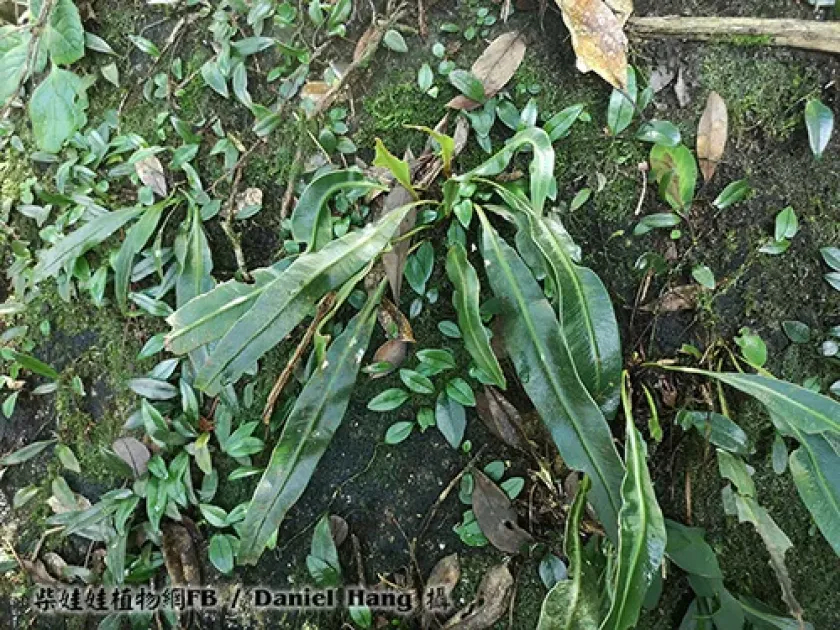
Description
Growing requirements
Polystichum basipinnatum is a perennial fern belonging to the Dryopteridaceae family. Native to damp and shaded forest regions, this species is highly valued for its elegant frond architecture and adaptability to specific shaded environments.
The plant thrives in moist, well-draining, humus-rich soil conditions. It is essential to maintain high humidity levels around the foliage, while ensuring the root zone does not become waterlogged, which is a common cause of failure in fern cultivation.
In terms of agricultural and horticultural requirements, it demands a sheltered site protected from harsh, direct sunlight. The ideal temperature range for growth is between 15 and 22 degrees Celsius, making it suitable for temperate forest-like garden settings.
Propagation is typically achieved through rhizome division or spore cultivation in a controlled, humid greenhouse environment. Regular mulching is recommended to retain soil moisture and mimic the natural forest floor habitat where the plant originates.
Its primary use is in ornamental landscaping, specifically for shaded woodland gardens, courtyards, and conservatories. It serves as an excellent structural plant that complements other shade-loving perennials, contributing to a lush, green aesthetic.
Main diseases and pests
Common diseases affecting this fern include various fungal pathogens that flourish in stagnant air and excessive soil moisture. Root rot and leaf spot diseases are the most frequent health issues, which can be mitigated by ensuring proper spacing and drainage.
Pests such as slugs and snails pose the greatest threat to the young fronds, particularly in damp garden environments. In greenhouse conditions, cultivators must remain vigilant against infestations of scale insects and spider mites, requiring consistent monitoring and integrated pest management.